
You walk into a restaurant in Chengdu, confidently ready to order your favorite “Kung Pao Chicken” – the same dish you’ve enjoyed countless times back home. The server smiles knowingly. What arrives at your table is nothing like what you expected: the chicken is swimming in fiery red oil, studded with whole dried chilies, and delivers a tingling numbness to your tongue that you’ve never experienced before. Welcome to real Chinese food.
This moment of delicious confusion happens to almost every Western traveler in China. The “Chinese food” most foreigners know – sweet and sour everything, fortune cookies, and General Tso’s chicken – simply doesn’t exist here. Instead, you’ll discover a culinary landscape so vast and varied that neighboring provinces might as well be different countries when it comes to food.
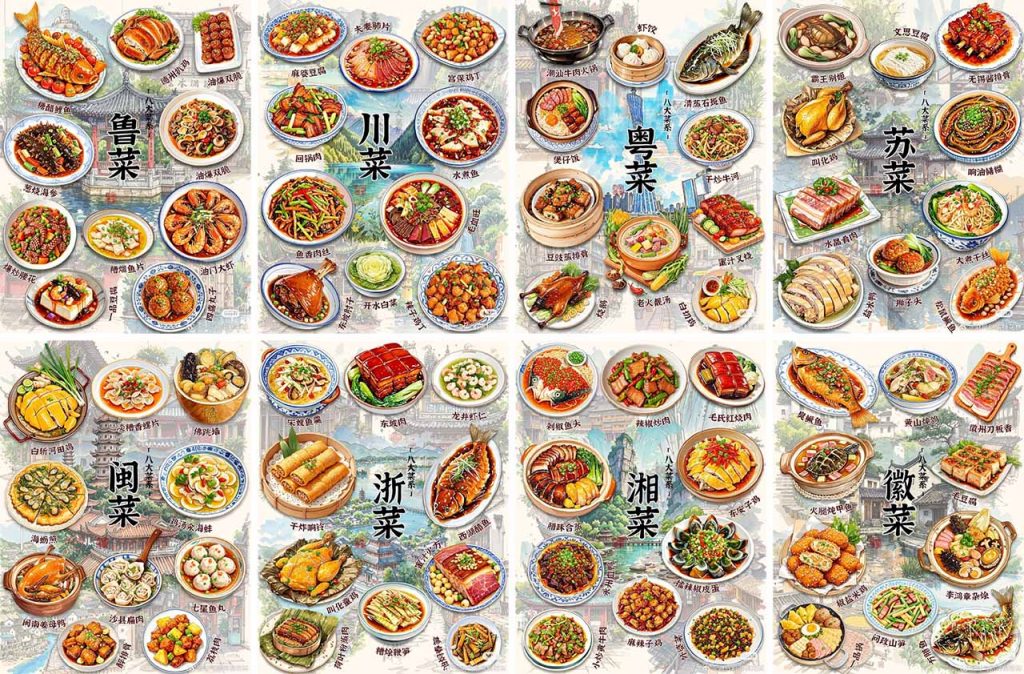
China’s food culture is built on a simple geographic truth: what you eat depends entirely on where you are. The mountains of Anhui produce wild ingredients rarely seen in coastal Fujian. The numbing spice of Sichuan would shock the delicate palate cultivated in Jiangsu. This isn’t just regional preference – it’s a sophisticated culinary tradition refined over thousands of years, codified into what Chinese chefs recognize as the 八大菜系 (bā dà cài xì) – the Eight Great Culinary Traditions.
Understanding these eight major Chinese cuisines isn’t just about knowing what to order. It’s your key to unlocking authentic experiences, avoiding tourist traps, and connecting with locals through the language they speak most fluently: food.
What Are the 8 Major Chinese Cuisines?
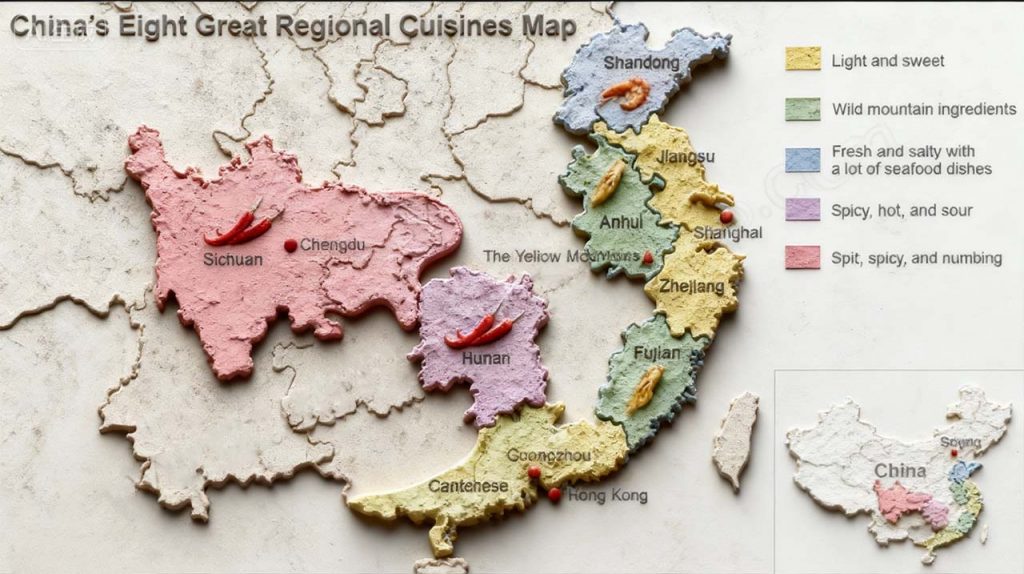
The concept of China’s eight major regional cuisines emerged during the Qing Dynasty, though the culinary traditions themselves stretch back much further. Originally, there were just four great traditions: Shandong (representing the North), Sichuan (the West), Guangdong (the South), and Jiangsu (the East). Over time, four more distinct styles joined this culinary canon.
These eight cuisines are:
- Shandong (鲁菜 – Lǔ Cài) – The imperial cuisine of the North
- Sichuan (川菜 – Chuān Cài) – The fiery heart of the West
- Jiangsu (苏菜 – Sū Cài) – The refined flavors of the East
- Guangdong (粤菜 – Yuè Cài) – The diverse tastes of the South
- Fujian (闽菜 – Mǐn Cài) – The seafood paradise of the Southeast
- Zhejiang (浙菜 – Zhè Cài) – The land of fish and rice
- Hunan (湘菜 – Xiāng Cài) – The bold flavors of Chairman Mao’s homeland
- Anhui (徽菜 – Huī Cài) – The mountain cuisine of central China
Each cuisine reflects its environment: coastal regions developed sophisticated seafood techniques, agricultural heartlands perfected vegetable preparations, and mountainous areas learned to preserve and transform wild ingredients into delicacies.
1. Shandong Cuisine (鲁菜 – Lǔ Cài): The Foundation of Imperial Taste
Flavor Profile: Salty, fresh, and crispy with an emphasis on natural ingredient flavors
Where to Experience It: Jinan, Qingdao, Yantai
As the oldest of the eight major Chinese cuisines, Shandong cuisine heavily influenced imperial cooking during the Ming and Qing dynasties. This coastal province mastered the art of seafood preparation while maintaining sophisticated techniques for soups and broths.
What makes Shandong cuisine distinctive is its restraint. Unlike the bold spices of Sichuan or the sweetness of Jiangsu, Shandong chefs believe in letting quality ingredients speak for themselves. They’re famous for their precise knife work and a cooking technique called bào (爆) – flash-frying at extremely high temperatures to seal in juices while creating a crispy exterior.
Must-Try Dishes:
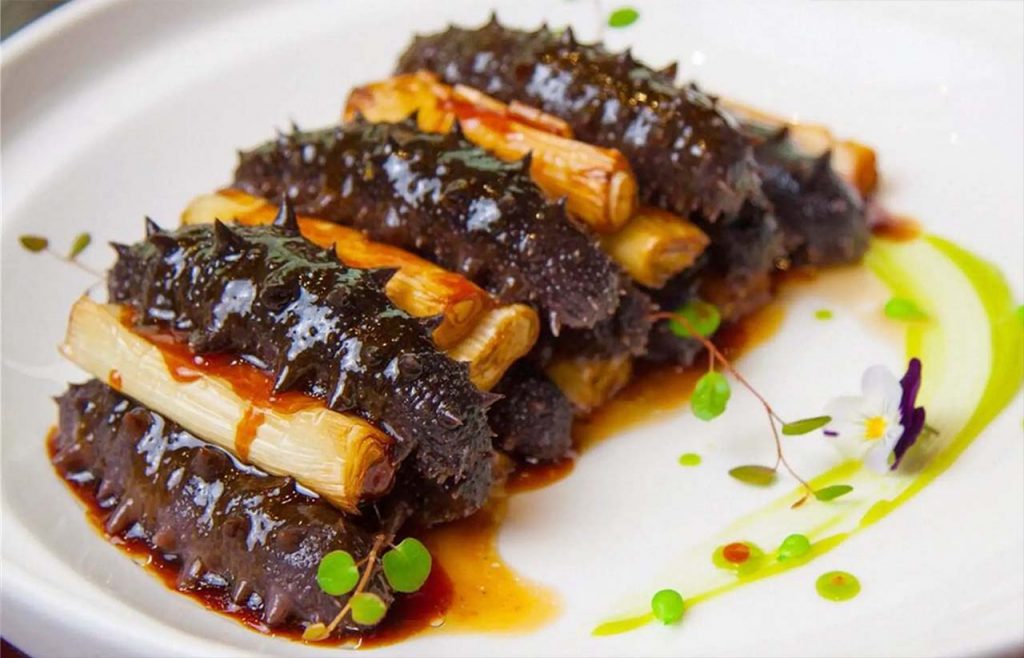
- Braised Sea Cucumber with Scallions (Cōng Shāo Hǎi Shēn): A luxurious dish where sea cucumber is slowly braised until it reaches a tender, almost melt-in-your-mouth texture
- Sweet and Sour Carp (Táng Cù Lǐ Yú): The Yellow River carp is scored, deep-fried standing upright, then coated in a perfectly balanced sweet-sour sauce
- Dezhou Braised Chicken (Dé Zhōu Pá Jī): So tender the meat falls off the bone, this famous snack dates back hundreds of years
Traveler’s Tip: Visit Qingdao for exceptional seafood paired with the city’s famous Tsingtao beer, a pairing locals have perfected over generations.
2. Sichuan Cuisine (川菜 – Chuān Cài): The Spice That Conquered the World
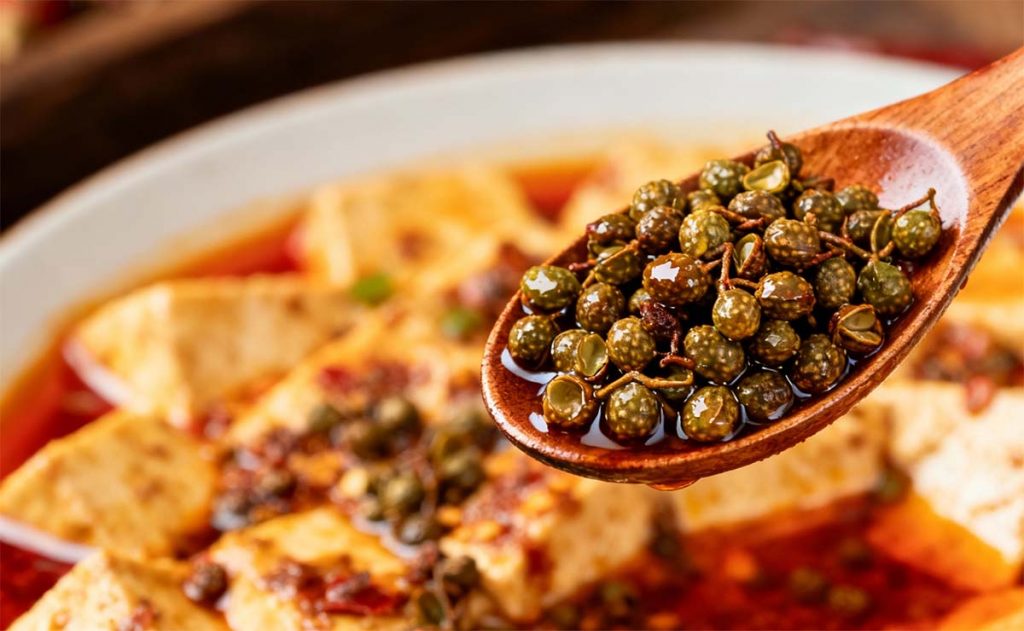
Flavor Profile: Spicy, numbing, and complex – the famous málà (麻辣) combination
Where to Experience It: Chengdu, Chongqing
If you only know one Chinese regional cuisine before arriving in China, it’s probably this one. Sichuan cuisine has conquered the world, and for good reason – it’s bold, exciting, and absolutely unforgettable.
But here’s what most foreigners don’t understand about Sichuan food: it’s not just about heat. The signature sensation, málà, combines the burn of chili peppers with the unique tingling numbness of Sichuan peppercorns. This creates a complex flavor experience that actually enhances rather than masks other tastes. Skillful Sichuan chefs can coax out seven distinct flavors in a single dish: sour, sweet, bitter, spicy, numbing, aromatic, and salty.
Must-Try Dishes:
- Mapo Tofu (Má Pó Dòu Fu): Silky tofu cubes in a fiery sauce with minced meat, the perfect introduction to málà
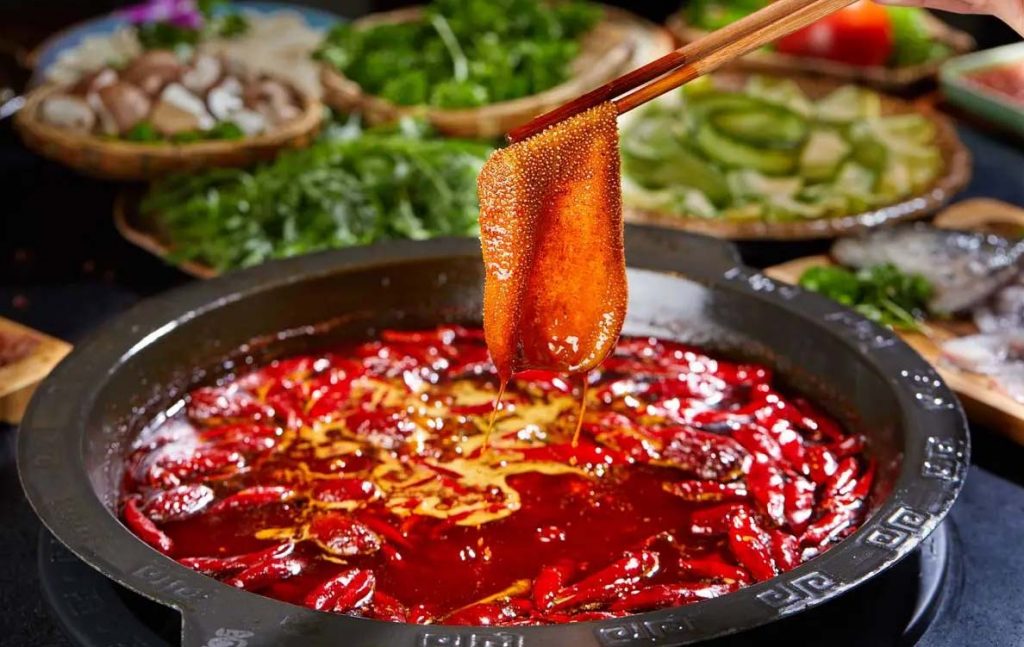
- Sichuan Hot Pot (Huǒ Guō): Not just a meal but a social experience – cook your own ingredients in bubbling, spiced broth
- Kung Pao Chicken (Gōng Bǎo Jī Dīng): The real version bears little resemblance to what you’ve had abroad, featuring a perfect balance of sweet, sour, and spicy with crunchy peanuts
- Twice-Cooked Pork (Huí Guō Ròu): Pork belly boiled then stir-fried with peppers, a true Sichuan classic
Cultural Shock Moment: Your first encounter with Sichuan peppercorns will be memorable. The tingling, almost electric numbness they create isn’t painful – it’s strangely addictive. Don’t be surprised if you find yourself craving that sensation after you leave.
Traveler’s Tip: In Chengdu, head to Jinli Ancient Street or Kuanzhai Alley for both street food and upscale Sichuan restaurants. Start with milder dishes and work your way up – your tolerance will build surprisingly quickly.
3. Jiangsu Cuisine (苏菜 – Sū Cài): The Art of Refinement
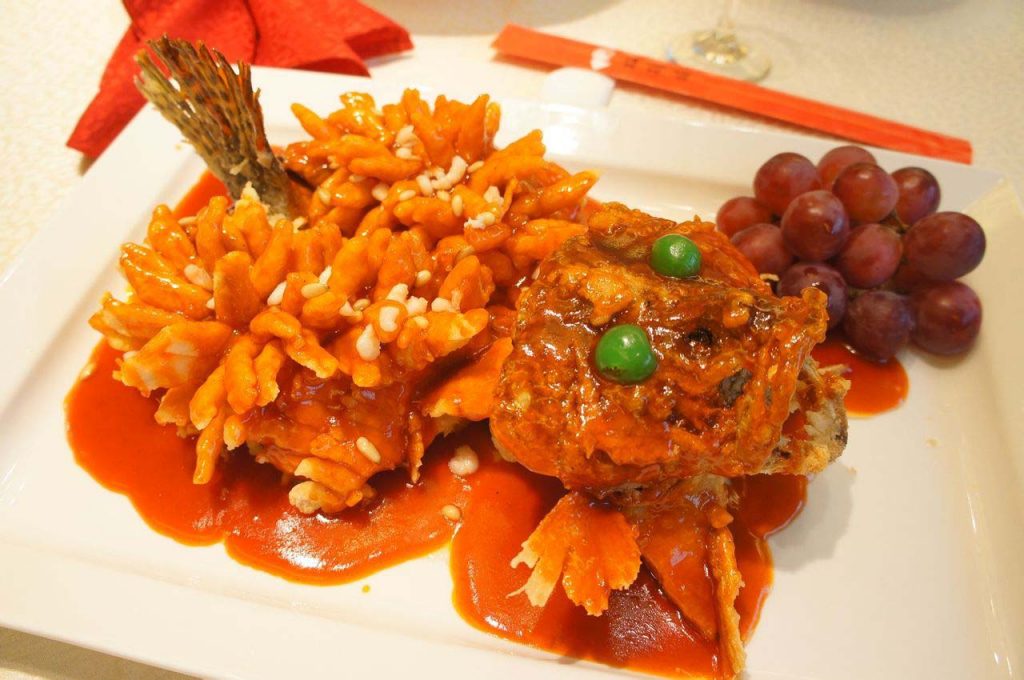
Flavor Profile: Delicately sweet, umami-rich, with impeccable presentation
Where to Experience It: Suzhou, Yangzhou, Nanjing, Shanghai
Jiangsu cuisine represents the pinnacle of Chinese culinary refinement. Historically served at imperial banquets and state functions, it’s considered one of the most technically demanding styles. Chefs spend years mastering the precise knife work and heat control required to create dishes that are as beautiful as they are delicious.
The flavors here are subtle and sophisticated, often featuring freshwater fish, river shrimp, and seasonal vegetables. Unlike the bold statements of Sichuan or the richness of Shandong, Jiangsu cuisine whispers rather than shouts. It’s cuisine as poetry.
Must-Try Dishes:
- Nanjing Salted Duck (Nánjīng Yán Shuǐ Yā): The city’s most famous dish, with tender, flavorful meat and crispy, slightly salty skin
- Sweet and Sour Mandarin Fish (Sōng Shǔ Guì Yú): Carved to look like a squirrel’s tail, this whole fish is a work of edible art
- Yangzhou Fried Rice (Yángzhōu Chǎo Fàn): Yes, fried rice can be elegant when made with precise ingredients and technique
- Lion’s Head Meatballs (Shī Zi Tóu): Enormous pork meatballs braised in a savory broth until impossibly tender
Traveler’s Tip: Shanghai, while not technically part of Jiangsu province, shares this culinary tradition. The city’s famous soup dumplings (xiǎo lóng bāo) and red-braised pork are perfect introductions to this style.
4. Guangdong Cuisine (粤菜 – Yuè Cài): Fresh, Light, and Impossibly Diverse
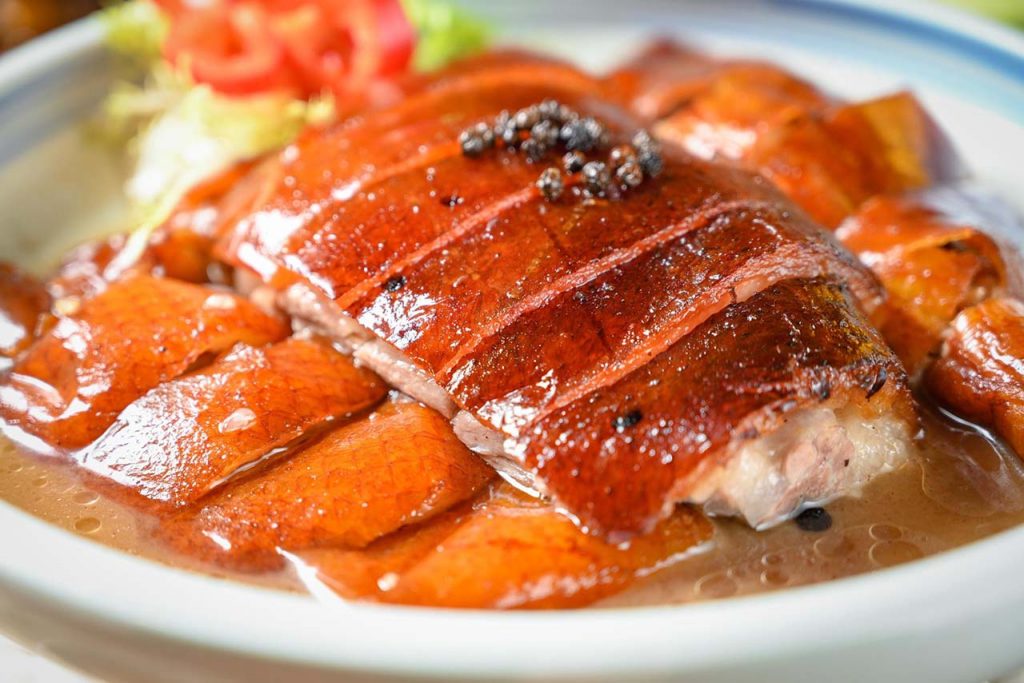
Flavor Profile: Light, fresh, subtly sweet, emphasizing natural ingredient flavors
Where to Experience It: Guangzhou, Shenzhen, Hong Kong, Macau
If Sichuan conquered the world with bold spice, Cantonese cuisine did it through sheer diversity and adaptability. This is the Chinese food most recognizable to Western palates – but even here, you’ll discover that authentic Cantonese cooking is far more sophisticated than your local takeout suggests.
Cantonese chefs obsess over ingredient freshness. In Guangzhou, it’s said that chefs will visit the market three times a day to get the freshest produce and seafood. The cooking methods – primarily steaming and light stir-frying – are designed to preserve rather than transform these quality ingredients.
Must-Try Dishes:
- Dim Sum (Diǎn Xīn): Not a single dish but an entire eating culture. Visit a tea house in Guangzhou for the authentic experience of pushing carts loaded with steamer baskets
- Roast Goose (Shāo É): Crispy skin, succulent meat – perfection achieved through traditional roasting techniques
- Char Siu (Chā Shāo): Sweet, savory BBQ pork with a characteristic red glaze
- Wonton Noodle Soup (Yún Tūn Miàn): Deceptively simple, but the delicate wontons and perfectly cooked noodles require serious skill
Cultural Shock Moment: Cantonese people eat a wider variety of ingredients than almost any other culture. You’ll encounter chicken feet, pig’s blood, sea cucumber, and other delicacies that might surprise you. Don’t knock it until you try it – there’s a reason these dishes have been perfected over centuries.
Traveler’s Tip: In Guangzhou, arrive at a dim sum restaurant early (7-8 AM) to experience it like a local. Point at what looks interesting from the carts, and don’t be afraid to ask the staff for recommendations.
5. Fujian Cuisine (闽菜 – Mǐn Cài): Where Mountains Meet the Sea
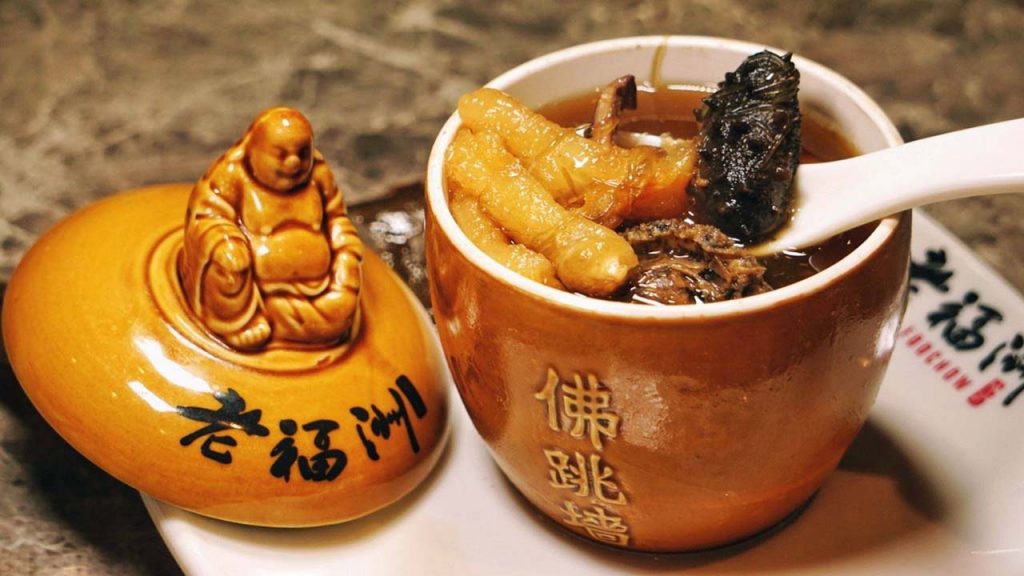
Flavor Profile: Umami-rich soups, light and fresh seafood, subtle but complex seasonings
Where to Experience It: Fuzhou, Xiamen, Quanzhou
Fujian cuisine remains somewhat mysterious to many foreign travelers, which makes it all the more worth seeking out. This coastal province developed a cuisine that perfectly balances seafood from the sea with wild ingredients from the mountains.
What sets Fujian apart is its soup culture. The most famous dish, “Buddha Jumps Over the Wall,” is said to be so delicious its aroma would make even a vegetarian monk leap over a wall to taste it. Fujian chefs are also masters of fermentation, using preserved ingredients and rice wine to create deep, complex flavors.
Must-Try Dishes:
- Buddha Jumps Over the Wall (Fó Tiào Qiáng): A luxury soup containing shark fin, abalone, sea cucumber, and other precious ingredients, slow-cooked for hours
- Oyster Omelette (Hǎi Lì Jiān): Fresh oysters mixed with egg and potato starch, popular street food in Xiamen
- Fish Balls (Yú Wán): Not just ground fish – these are handmade with fresh fish paste, bouncy and flavorful
- Red Wine Chicken (Hóng Zāo Jī): Chicken cooked with Fujian’s famous red wine lees, creating a unique fragrant flavor
Traveler’s Tip: Xiamen is the most accessible city for foreign travelers exploring Fujian cuisine. The island city offers both street food and refined dining, plus it’s a beautiful coastal destination in its own right.
6. Zhejiang Cuisine (浙菜 – Zhè Cài): The Land of Fish and Rice
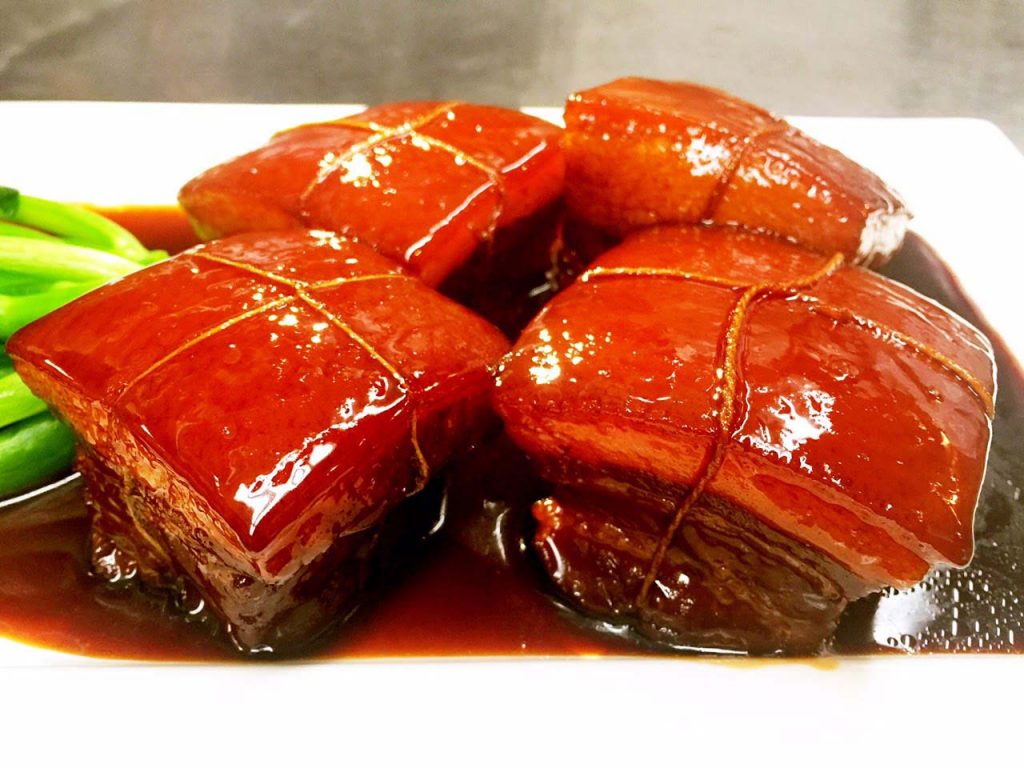
Flavor Profile: Fresh, tender, slightly sweet, with emphasis on seafood and seasonal ingredients
Where to Experience It: Hangzhou, Ningbo, Shaoxing
The proverb says there’s “heaven above, and Suzhou and Hangzhou below,” reflecting this region’s reputation as a terrestrial paradise. Zhejiang’s abundant rivers, lakes, and proximity to the sea created a cuisine that celebrates freshness and seasonality above all else.
Zhejiang cuisine shares some similarities with neighboring Jiangsu – both favor lighter, sweeter flavors – but Zhejiang has its own distinct character, particularly in Hangzhou, where dishes like Dongpo Pork have become legendary throughout China.
Must-Try Dishes:
- Dongpo Pork (Dōng Pō Ròu): Named after the famous poet Su Dongpo, these melt-in-your-mouth braised pork belly squares are Hangzhou’s signature dish
- West Lake Vinegar Fish (Xī Hú Cù Yú): Fresh grass carp from West Lake, cooked and served in a sweet-sour sauce
- Longjing Shrimp (Lóng Jǐng Xiā Rén): Tender shrimp cooked with famous Longjing (Dragon Well) green tea from Hangzhou
- Beggar’s Chicken (Jiào Huā Jī): A whole chicken wrapped in lotus leaves and clay, then baked – both a culinary and theatrical experience when cracked open at the table
Traveler’s Tip: Visit Hangzhou in autumn for the best seasonal ingredients, and don’t miss the chance to pair your meals with locally produced Longjing tea, one of China’s most famous green teas.
7. Hunan Cuisine (湘菜 – Xiāng Cài): The Other Spicy Cuisine
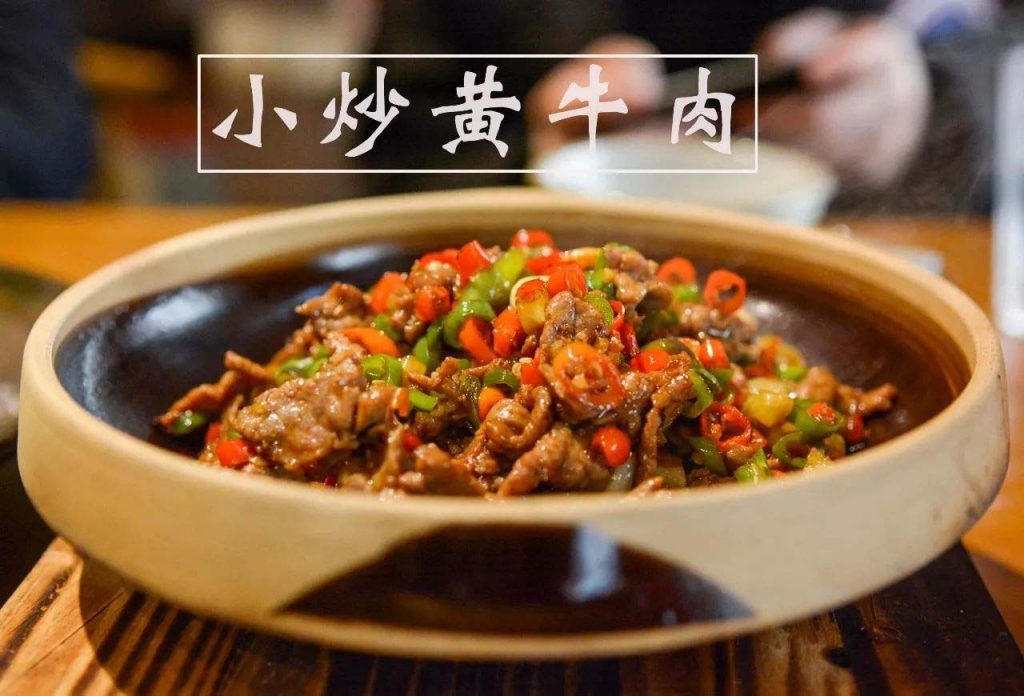
Flavor Profile: Hot, spicy, and fragrant – but different from Sichuan, without the numbing sensation
Where to Experience It: Changsha, Zhangjiajie, Fenghuang Ancient Town
“Hunan people can eat spice, Sichuan people are tricked by spice,” goes the local saying. While Sichuan gets all the international attention for spicy food, many Chinese will tell you Hunan cuisine is actually spicier – they just don’t use the numbing Sichuan peppercorns.
Hunan’s agricultural abundance means this cuisine incorporates an incredible variety of vegetables, preserved foods, and smoking techniques. The flavors are pure heat, often enhanced with vinegar, garlic, and shallots rather than the complex spice blends of Sichuan.
Must-Try Dishes:
- Chairman Mao’s Red Braised Pork (Máo Shì Hóng Shāo Ròu): The favorite dish of China’s former leader, featuring caramelized pork belly braised with chilies
- Steamed Fish Head with Chopped Chilies (Duò Jiāo Yú Tóu): A spicy, dramatic presentation that’s a Hunan banquet staple
- Stir-Fried Pork with Chili (Xiǎo Chǎo Ròu): Simple but addictively spicy, this homestyle dish represents Hunan cooking at its core
- Dong’an Chicken (Dōng’ān Zǐ Jī): Vinegary, spicy chicken that shows Hunan’s love of sour-hot combinations
Cultural Shock Moment: Don’t be surprised if Hunan dishes make you sweat more than Sichuan ones. The pure burn of Hunan chilies can be intense, but locals believe spicy food is healthy and helps you adapt to the hot, humid climate.
Traveler’s Tip: Changsha, the capital of Hunan, has an incredible street food scene. Head to Pozi Street or Fire Palace for authentic Hunan snacks and meals that won’t break the bank.
8. Anhui Cuisine (徽菜 – Huī Cài): The Hidden Mountain Treasure
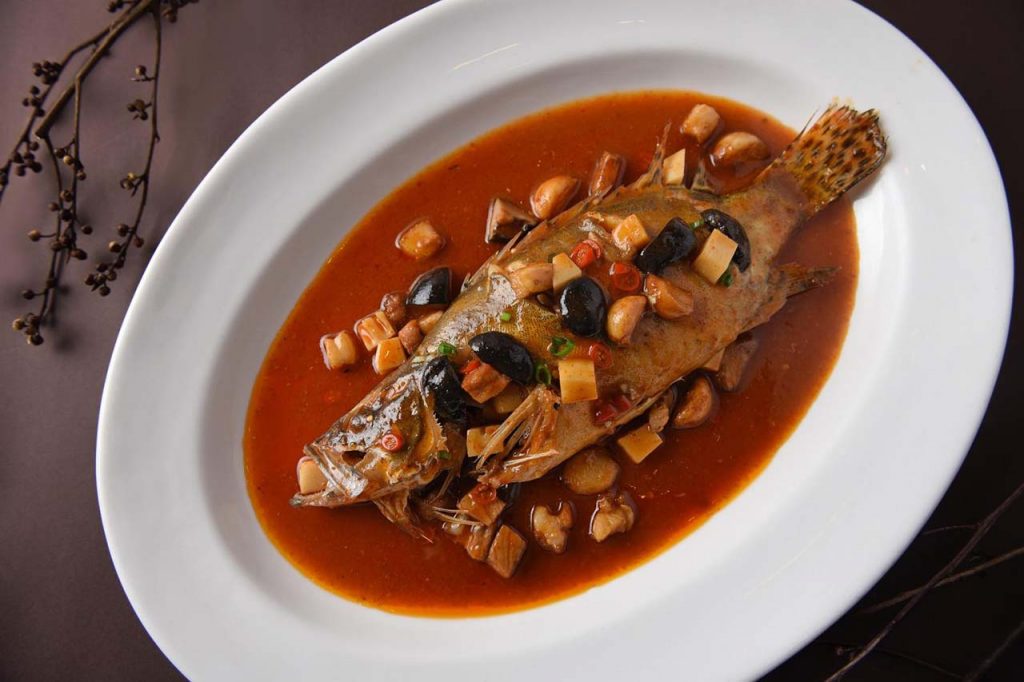
Flavor Profile: Rich, hearty, with heavy use of braising and stewing; features wild ingredients
Where to Experience It: Huangshan (Yellow Mountain), Hefei
Anhui might be the least known of the eight major Chinese cuisines among foreign travelers, but that’s precisely what makes it exciting. This mountainous province developed a cuisine based on what the mountains provide: wild mushrooms, bamboo shoots, river fish, and game.
Anhui cuisine is characterized by its “heavy oil, heavy color, heavy fire” approach. Dishes are often braised or stewed for long periods, creating deep, satisfying flavors perfect for the region’s cooler mountain climate.
Must-Try Dishes:
- Stinky Mandarin Fish (Chòu Guì Yú): Don’t let the name scare you – this fermented fish is a delicacy with an acquired but rewarding taste
- Li Hongzhang Hotchpotch (Lǐ Hóngzhāng Dà Zá Huì): A complex stew with multiple ingredients named after a Qing Dynasty official
- Huangshan Braised Pigeon (Huángshān Shāo Gē): Wild mountain pigeon slowly braised until incredibly tender
- Bamboo Shoots Cooked with Sausage and Dried Tofu (Wèn Zhèng Sǔn): A vegetarian dish showcasing local bamboo
Traveler’s Tip: Combine your Anhui cuisine exploration with a trip to Huangshan (Yellow Mountain), one of China’s most spectacular natural wonders. The mountain villages surrounding Huangshan offer the most authentic Anhui food experiences.
Beyond the 8: Regional Cuisines Worth Exploring
While the eight major Chinese cuisines dominate the conversation, China’s culinary map contains numerous other distinctive regional styles that deserve your attention:
Northeast Cuisine (东北菜 – Dōngběi Cài)
The food of China’s industrial heartland is hearty, generous, and influenced by Russian and Korean neighbors. Think massive portions, heavy stews, and a love of pickled vegetables. Must-try: Guo Bao Rou (sweet and sour crispy pork) – a dish that will shatter your assumptions about Chinese sweet-sour dishes.
Xinjiang Cuisine (新疆菜 – Xīnjiāng Cài)
China’s far western region brings Central Asian flavors: hand-pulled noodles (làmiàn), lamb kebabs, and pilaf. This is China’s Islamic culinary tradition, completely distinct from the eight major cuisines. Must-try: Da Pan Ji (Big Plate Chicken) – a spicy, cumin-heavy stew served with hand-pulled noodles.
Yunnan Cuisine (云南菜 – Yúnnán Cài)
Near the borders of Myanmar, Laos, and Vietnam, Yunnan developed a cuisine featuring wild mushrooms, crossing bridge noodles, and ethnic minority influences. Must-try: Guò Qiáo Mǐ Xiàn (Crossing Bridge Rice Noodles) – an interactive meal where you cook ingredients in boiling broth.
Guizhou Cuisine (贵州菜 – Guìzhōu Cài)
This lesser-known province makes Sichuan look tame when it comes to spice. With its own approach to sour and spicy combinations, Guizhou cuisine deserves far more attention than it receives.
The lesson? The eight major cuisines are just the beginning of China’s culinary adventure. Every province, city, and town has its own specialties waiting to surprise you.
Navigating Chinese Dining: A Survival Guide
How to Order in Restaurants
The Communal Dining System: Chinese meals are designed to be shared. Instead of everyone ordering individual dishes, the table orders several items to share family-style. A good rule of thumb: number of people plus one equals number of dishes (4 people = 5 dishes). This ensures variety and allows everyone to taste everything.
Essential Phrases:
- “Nǐmen tuījiàn shénme?” (你们推荐什么?) – “What do you recommend?”
- “Bú yào là” (不要辣) – “Not spicy” or “Yìdiǎn là” (一点辣) – “A little spicy”
- “Yǒu càidān ma?” (有菜单吗?) – “Do you have a menu?”
- “Măidān” (买单) – “Check, please”
Menu Navigation Tips: Picture menus are your friend. Most restaurants in tourist areas offer them. If not, don’t hesitate to point at what others are eating. Chinese diners are usually happy to help confused foreigners.
Understanding Menu Organization
Chinese menus typically organize dishes by:
- Cold dishes (lĕng pán 冷盘): Appetizers served at room temperature
- Hot dishes (rè cài 热菜): Main dishes
- Soups (tāng 汤)
- Staple foods (zhŭshí 主食): Rice, noodles, dumplings
- Vegetables (sù cài 素菜)
Chinese Food Etiquette for Travelers: 10 Rules to Know Before You Eat (2025 Guide)
Unexpected Food Experiences: What Foreigners Don’t Expect
The Hot Water Mystery
Prepare yourself: Chinese people rarely drink cold water. Walk into any restaurant, and you’ll be served hot water or tea, even on sweltering summer days. This isn’t a quirk – it’s rooted in traditional Chinese medicine beliefs that cold water disrupts digestion and body balance.
Our advice? Try it. Many travelers who initially resist find themselves embracing hot water by the end of their trip, especially after a spicy meal.
The Lazy Susan Experience
Most Chinese restaurants feature round tables with rotating platforms (Lazy Susans) in the center. All dishes are placed on this platform, and you spin it to access different items. First-timers often accidentally keep spinning past the dish they want – it’s part of the learning curve!
Bones, Shells, and Table Etiquette
Chinese cuisine often features proteins cooked on the bone (chicken, fish, pork). It’s completely acceptable – even expected – to spit bones and shells directly onto the table or a small plate provided for this purpose. This initially shocks Western visitors who were raised on “polite table manners,” but it’s standard practice here.
The Noisy Restaurant Is a Good Restaurant
If a restaurant is loud, crowded, and slightly chaotic, you’ve found a winner. Chinese dining is social and energetic – silence in a restaurant is actually strange. Don’t be surprised by people shouting “fúwùyuán!” (waiter!) across the room or clinking glasses loudly for toasts.
Smoking (Though Improving)
While China has implemented smoking bans in many cities, enforcement varies wildly. You might still encounter cigarette smoke in restaurants, especially in smaller cities or older establishments. This is changing, but mentally prepare for the possibility.
Tea Culture
Tea isn’t just a beverage – it’s part of the dining ritual. Learn the custom of tapping your fingers on the table when someone pours tea for you (it means “thank you”). When your teapot is empty, leave the lid ajar or tilted to signal to staff you need a refill.
Street Food vs. Restaurant Food
Some of China’s most memorable meals will happen at street stalls and small hole-in-the-wall restaurants with plastic stools. Don’t let a lack of English signage or fancy décor deter you. If locals are lining up, it’s worth trying.
[Internal Link Suggestion]: Link to your article on “Staying Healthy While Eating in China” (future content)
Where to Experience Each Cuisine Authentically
Quick Reference Guide:
For Shandong Cuisine:
- Jinan: The capital offers traditional Shandong restaurants and famous spring water
- Qingdao: Perfect for seafood paired with local beer
For Sichuan Cuisine:
- Chengdu: Ground zero for Sichuan food culture; don’t miss Jinli Street
- Chongqing: The hot pot capital – prepare for the spiciest of the spicy
For Jiangsu Cuisine:
- Suzhou: Classical gardens and refined dining
- Yangzhou: Smaller, less touristy, with excellent Huaiyang cuisine
- Shanghai: For a modern take on Jiangsu tradition
For Guangdong Cuisine:
- Guangzhou: The epicenter of Cantonese food; explore Shamian Island restaurants
- Hong Kong: Dim sum culture at its finest in a international hub
For Fujian Cuisine:
- Xiamen: Accessible, beautiful, with great seafood
- Fuzhou: More authentic but less English-friendly
For Zhejiang Cuisine:
- Hangzhou: West Lake scenery and famous dishes; highly recommended
- Ningbo: For coastal Zhejiang specialties
For Hunan Cuisine:
- Changsha: Vibrant food scene, especially street food
- Zhangjiajie: Combine stunning nature (Avatar mountains) with spicy meals
For Anhui Cuisine:
- Huangshan area villages: Most authentic, rural experiences
- Hefei: More convenient with modern amenities
[Suggestions]:
- Chengdu Food Guide: 15 Must-Try Spicy Sichuan Dishes for First-Time Western Visitors
- Beijing Travel Guide 2025: Must-Read Tips for Your First China Adventure
- The Ultimate Guide to Chinese Street Food: Must-Try Dishes, Safety Tips & Hidden Gems (2025)
Food Safety and Dietary Considerations
Staying Healthy
Trust your gut (pun intended): If a place looks questionable, it probably is. But don’t let paranoia prevent you from enjoying street food – millions of Chinese people eat from these stalls daily without issue.
Key practices:
- Watch for crowds – popular stalls turn over ingredients quickly
- Choose cooked foods over raw (especially for street food)
- Bottled water is universally available and cheap
- Carry basic stomach medications just in case
Dietary Restrictions
Vegetarian/Vegan: China isn’t particularly vegetarian-friendly outside of Buddhist restaurants, but it’s manageable. Learn to say “wǒ chī sù” (我吃素) – “I eat vegetarian.”
Warning: “No meat” might still include fish, oyster sauce, or chicken stock. Be specific.
Halal: Look for restaurants with Arabic script or the word “qīngzhēn” (清真). Muslim communities in every major city maintain halal restaurants, especially in areas with Hui or Uyghur populations.
Allergies: Have your allergy clearly written in Chinese characters. Food allergies aren’t as commonly understood in China, so clarity is crucial.
Gluten-Free: This will be challenging. Soy sauce contains wheat, and wheat noodles are everywhere. Stick to rice-based dishes and communicate clearly.
Reading Ingredients
While you don’t need to read Chinese characters fluently, learning to recognize a few key ones helps enormously:
- 辣 (là) = Spicy
- 牛 (niú) = Beef
- 猪 (zhū) = Pork
- 鸡 (jī) = Chicken
- 鱼 (yú) = Fish
- 虾 (xiā) = Shrimp
How to Plan Your Culinary Journey Through China
The 2-Week Culinary Tour
If you have roughly two weeks and want to experience multiple Chinese regional cuisines authentically, here’s a practical route:
Days 1-4: Chengdu (Sichuan Cuisine) Start with the famous flavors. Sichuan cuisine eases you into Chinese food culture because it’s already somewhat familiar to Western palates. Spend your days exploring hot pot restaurants, tea houses, and the Giant Panda Base.
Days 5-7: Chongqing (More Sichuan) Take the high-speed train to Chongqing for the most intense hot pot experience of your life. This mountain city offers a more authentic, less touristy Sichuan food scene.
Days 8-10: Guangzhou or Hong Kong (Cantonese Cuisine) Fly south for a complete contrast. After days of spicy food, your palate will appreciate Cantonese subtlety. Morning dim sum is essential.
Days 11-14: Shanghai/Hangzhou (Jiangsu/Zhejiang Cuisine) End in eastern China’s refined culinary capitals. Shanghai offers modern China mixed with traditional flavors, while nearby Hangzhou provides scenic beauty alongside exceptional Zhejiang cuisine.
The One-Week Focus Trip
Option A: Sichuan Deep Dive Chengdu (4 days) + Leshan/Emeishan (3 days) – combine food exploration with Buddhist sites and natural beauty
Option B: Cantonese Excellence Hong Kong (3 days) + Guangzhou (2 days) + Shenzhen (2 days) – three cities, one cuisine, infinite variety
Option C: Eastern Refinement Shanghai (3 days) + Suzhou (2 days) + Hangzhou (2 days) – gardens, silk, tea, and subtle flavors
Budget Considerations
Street Food Budget: $10-20/day You can eat incredibly well in China on a budget. Street food and small local restaurants offer authentic, delicious meals for 15-50 RMB ($2-7) per person.
Mid-Range: $30-50/day This allows you to mix street food with sit-down restaurants and occasionally splurge on regional specialties.
Food Lover’s Budget: $75-150/day At this level, you can enjoy high-end interpretations of regional cuisines, historic restaurants, and luxury ingredients like fresh abalone or premium hot pot.
Pro tip: Some of China’s most famous restaurants are surprisingly affordable by Western standards. A meal at a respected Sichuan restaurant in Chengdu might cost $15-25 per person.
Best Travel Seasons for Food
Spring (March-May):
- Fresh tea season in Hangzhou
- Spring vegetables across China
- Comfortable temperatures for hot pot
Summer (June-August):
- Peak seafood season in coastal regions
- Street food culture thrives
- Hot, but air conditioning is everywhere
Autumn (September-November):
- Best overall season for food tourism
- Hairy crab season (Shanghai/Jiangsu)
- Comfortable weather nationwide
Winter (December-February):
- Hot pot season peaks
- Fewer tourists but some attractions close
- Avoid Spring Festival (Chinese New Year) unless you want the cultural experience
Booking Food Tours and Experiences
Several companies now offer specialized food tours in major Chinese cities. Look for:
- Walking food tours: Usually 3-4 hours, hitting 5-8 different food stops
- Cooking classes: Learn to make dumplings, Sichuan dishes, or regional specialties
- Market tours: Morning visits to wet markets with a guide who explains ingredients
- Home dining experiences: Eat with local families (platforms like Eatwith or Traveling Spoon)
[Suggestions]:
- Xi’an Muslim Quarter Food Tour: Complete Walking Guide (2025)
- The Ultimate Guide to Chinese Street Food: Must-Try Dishes, Safety Tips & Hidden Gems (2025)
- Best Noodles in China: 15 Regional Specialties You Must Try (2025 Guide)
Creating Your Own Culinary Story
China’s eight major regional cuisines aren’t just categories on a list – they’re gateways to understanding how geography, history, and culture shape what we eat. From the numbing spice of Sichuan peppercorns to the delicate refinement of Jiangsu soups, from the fresh diversity of Cantonese dim sum to the hearty mountain flavors of Anhui, each culinary tradition tells a story about the people who created it.
Your journey through Chinese regional cuisine will surprise you. You’ll discover that “spicy” means something completely different in Hunan versus Sichuan. You’ll learn that the best meals often happen at restaurants with plastic stools and no English signage. You’ll realize that Chinese people aren’t exaggerating when they say their food culture is one of the world’s most sophisticated.
More importantly, you’ll find that food opens doors. When you show genuine interest in regional cuisines, when you’re brave enough to try the dishes locals recommend, when you attempt to use chopsticks properly and enthusiastically slurp your noodles, something magical happens: barriers dissolve. The restaurant owner will sit down to chat with you. Other diners will want to take photos with you. Someone will insist on teaching you the proper way to eat soup dumplings.
This is why understanding Chinese regional cuisine isn’t just about knowing what to order. It’s about connecting with 1.4 billion people through their most beloved language: food.
So yes, your Kung Pao Chicken in Chengdu will shock you. The sea cucumber in Shandong will challenge your assumptions. The fermented fish in Anhui might push you out of your comfort zone. But that’s exactly the point.
China’s culinary landscape is vast, varied, and waiting to be explored. The eight major cuisines are your map. Where they lead you is up to your appetite for adventure.
Key Takeaways: Your Chinese Regional Cuisine Cheat Sheet
Before you go, remember these essential points:
- Chinese food is regional – what you eat in Beijing bears little resemblance to what you’ll find in Guangzhou
- The 8 major Chinese cuisines represent distinct geographical and cultural traditions: Shandong, Sichuan, Jiangsu, Guangdong, Fujian, Zhejiang, Hunan, and Anhui
- “Spicy” varies wildly – Sichuan uses numbing peppercorns, Hunan pure heat, while most other cuisines avoid heavy spice entirely
- Dining is communal – order multiple dishes to share rather than individual plates
- Street food is serious food – some of your best meals will cost under $5
- Seasons matter – timing your visit can mean the difference between good food and exceptional food
- Beyond the 8 – don’t ignore regional cuisines like Xinjiang, Yunnan, and Northeast China
- Expect culture shock – bones on the table, hot water in summer, and noisy restaurants are all normal
Ready to start planning your culinary adventure through China?
Explore our guides to specific cities, dive deeper into individual cuisines, or learn essential dining phrases to make your journey smoother. The most delicious adventure of your life is waiting.
[Suggestions]: