
The “Price Shock” You’ll Actually Enjoy
Most foreigners visiting China brace themselves for culture shock: the crowds, the language barrier, the unfamiliar food. But there’s one shock that catches everyone off guard in the best possible way—looking at a hospital bill.
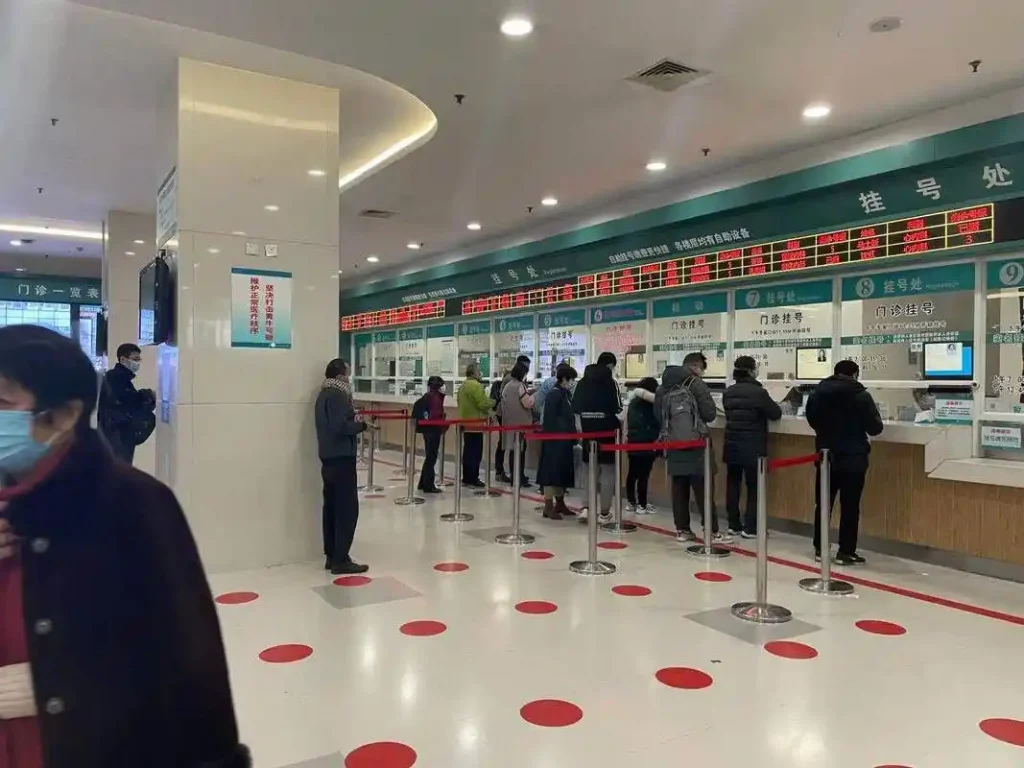
Picture this: You walk into a modern hospital in Shanghai with a nagging knee problem. Two hours later, you’ve had a consultation with an orthopedic specialist, gotten an MRI scan, received a detailed diagnosis, and you’re walking out with a treatment plan. The total cost? About $120. Back home in the United States, just scheduling the MRI might take three weeks, and the bill would easily exceed $2,000.
This is the reality of medical tourism cost China in 2026, and it’s why an increasing number of foreigners—from YouTubers like IShowSpeed to everyday travelers—are discovering that China offers something remarkable: cutting-edge medical technology at prices that seem almost unbelievable.
But here’s the critical question everyone asks: What do you really pay when you factor in everything? This guide breaks down the actual costs, the hidden expenses, and the genuine savings you can expect when seeking medical treatment in China. Whether you’re considering dental work in Guangzhou, cosmetic surgery in Seoul, or traditional Chinese medicine in Beijing, you’ll find real numbers, not marketing hype.
Understanding the Price Gap: Why Medical Tourism Cost China Is So Different
Before diving into specific prices, it’s essential to understand why healthcare in China costs so much less than in Western countries—and why lower cost doesn’t mean lower quality.
The Economics Behind Affordable Healthcare
China’s healthcare pricing advantage stems from several structural factors:
Government subsidies and investment: The Chinese government has poured billions into healthcare infrastructure over the past two decades. Major public hospitals receive substantial government funding, which allows them to keep prices lower than pure market rates.
High patient volume efficiency: Chinese hospitals operate at a scale unimaginable in most Western countries. A single tertiary hospital in Beijing might see 10,000 outpatient visits daily. This volume creates economies of scale that dramatically reduce per-patient costs.
Lower operational costs: While doctor salaries in China have risen significantly, overall labor costs remain lower than in the US or UK. Additionally, malpractice insurance costs are substantially lower, removing a major expense that inflates Western healthcare prices.
Competitive private sector: China’s private healthcare sector competes directly with public hospitals, creating price pressure that benefits consumers. Unlike the US system where prices are often opaque, Chinese hospitals typically display clear price lists.
First-World Technology at Developing-World Prices
Here’s what surprises most medical tourists: China’s top hospitals aren’t using outdated equipment or inferior technology. In fact, many Chinese hospitals have invested in the latest medical technology before some Western hospitals.
Huashan Hospital in Shanghai uses the same da Vinci surgical robots found in top American hospitals. West China Hospital in Chengdu has some of the world’s most advanced imaging equipment. The difference isn’t the technology—it’s the billing structure.
A Zeiss VisuMax system for SMILE laser eye surgery costs the same whether it’s in Los Angeles or Shanghai. But the Chinese hospital that purchased it will perform three times as many procedures and charge a fraction of the price, making the investment profitable through volume rather than high per-procedure pricing.
The Efficiency Shock: Diagnostics & Imaging Costs
Let’s start with the area that provides the most dramatic illustration of medical tourism cost China advantages: medical imaging and diagnostics.
MRI Scans: The Two-Hour, $100 Reality
In most Western countries, getting an MRI involves:
- Waiting 2-4 weeks for an appointment (longer in UK/Canada)
- The scan itself taking 30-60 minutes
- Waiting another week for results
- Paying $1,500-$3,000 (US), or waiting months through NHS (UK)
In China, the process looks completely different:
Walk-in or same-day appointment: Most large Chinese hospitals offer same-day MRI appointments. During off-peak hours, you might literally walk in and get scanned within an hour.
Rapid results: Digital results are typically available within 2-4 hours, often accessible through the hospital’s smartphone app. A radiologist’s report follows shortly after.
The cost: ¥500-800 ($70-110) for a standard MRI scan in a public hospital. Even in premium private international hospitals, you’ll rarely pay more than $300.
CT Scans and X-Rays: Speed Meets Affordability
| Procedure | USA Average | UK Private | Australia | China Public Hospital | China Private International |
|---|---|---|---|---|---|
| CT Scan (single area) | $1,200-$3,000 | £500-800 | A$600-900 | $50-80 | $150-250 |
| Full-body CT | $3,000-$6,000 | £1,200+ | A$1,500+ | $200-300 | $500-700 |
| X-Ray (standard) | $200-400 | £100-150 | A$150-250 | $10-20 | $40-60 |
| Ultrasound | $300-500 | £150-300 | A$200-350 | $20-40 | $80-120 |
Real patient experience: James, a British teacher working in Shenzhen, developed severe back pain. He visited Peking University Shenzhen Hospital’s international department on a Monday morning. Within three hours, he’d had X-rays, a CT scan, blood work, seen two specialists, and had a complete diagnosis with treatment plan. Total cost: $180. He calculated the same process would have cost £2,000+ privately in London or required months of NHS waiting.
Blood Tests and Laboratory Work
China’s laboratory testing is not only inexpensive but often faster than Western countries due to automation and high throughput.
- Comprehensive metabolic panel: $15-25
- Complete blood count: $8-12
- Thyroid function tests: $20-30
- Allergy testing (comprehensive): $60-100
- Genetic testing (basic): $100-200
Most results are available the same day or within 24 hours, accessible through hospital apps with English translation options at international departments.
Dental Tourism: The Gateway to Medical Tourism Cost China
Dental work represents the most popular entry point for medical tourism in China, and for good reason—the savings are substantial while quality often exceeds expectations.
Dental Implants: The Flagship Procedure
Dental implants demonstrate medical tourism cost China advantages more clearly than almost any other procedure:
| Procedure | United States | United Kingdom | Australia | China (Premium) | China (Mid-Range) |
|---|---|---|---|---|---|
| Single implant + crown | $4,000-$6,000 | £2,500-£3,500 | A$4,500-$6,000 | $1,200-$1,800 | $800-$1,200 |
| All-on-4 full arch | $25,000-$35,000 | £15,000-£20,000 | A$23,000-$30,000 | $6,000-$9,000 | $4,500-$6,500 |
| Bone grafting (if needed) | $800-$1,500 | £600-£1,000 | A$1,000-$1,500 | $300-$500 | $200-$350 |
What you get in China: Modern dental clinics in major cities use the same implant brands (Straumann, Nobel Biocare) found in Western clinics. The key difference is the speed—many clinics can complete the entire process (extraction, bone graft if needed, implant placement, and crown fitting) in two visits over 7-10 days, perfect for medical tourists.
Veneers and Cosmetic Dentistry
Porcelain veneers represent another area of significant savings:
- Single veneer: $150-$300 (vs $1,000-$2,000 in US)
- Full set (8-10 veneers): $2,000-$3,500 (vs $10,000-$20,000 in US)
- Teeth whitening (professional): $80-$150 (vs $500-$1,000 in US)
Quality considerations: Premium dental clinics in Shanghai and Beijing use the same German ceramic labs that many Western dentists use. Ask specifically about the materials and lab—this matters more than the clinic’s décor.
Root Canals and General Dentistry
Even emergency or routine dental work costs a fraction of Western prices:
- Root canal treatment: $100-$200 (vs $1,000-$1,500 in US)
- Ceramic crown: $200-$400 (vs $1,200-$2,500 in US)
- Cleaning and examination: $30-$60 (vs $200-$300 in US)
Case Study: The Backpacker Emergency
Tom, an Australian backpacker traveling through Chengdu, bit into a Sichuan peppercorn and cracked a molar on a Saturday evening. Panicking about both the pain and the cost, he found a 24-hour dental clinic near his hostel. Within an hour, he’d had an examination, X-rays, a root canal started, and temporary filling placed. He returned twice over the next week to complete the procedure and have a crown fitted. Total cost: $280. His travel insurance covered $200 of it. The same procedure in Melbourne would have cost him A$3,500+ and required multiple appointments over several weeks.
Vision Correction: LASIK and SMILE Surgery
China performs more laser vision correction procedures than almost any country, creating a mature, competitive market with excellent results and attractive pricing.
LASIK vs SMILE: Technology and Costs
| Procedure | USA | UK | China Premium Center | China Mid-Range |
|---|---|---|---|---|
| Traditional LASIK | $2,000-$3,000/eye | £1,500-£2,000/eye | $800-$1,200/eye | $600-$800/eye |
| Bladeless LASIK (Femto) | $2,500-$3,500/eye | £2,000-£2,500/eye | $1,000-$1,500/eye | $700-$1,000/eye |
| SMILE (latest tech) | $3,000-$4,000/eye | £2,500-£3,000/eye | $1,500-$2,000/eye | $1,200-$1,500/eye |
| ICL (implantable lens) | $4,000-$6,000/eye | £3,000-£4,000/eye | $2,500-$3,500/eye | $2,000-$2,800/eye |
Equipment quality: Top Chinese vision correction centers use Zeiss VisuMax systems (for SMILE), the same equipment used in the best Western clinics. The difference in price reflects operational costs, not equipment quality.
Recovery time: Most patients can fly home 3-5 days after SMILE surgery, making it perfect for medical tourists who want to spend a week exploring China while their eyes heal.
Case Study: The Planned Procedure
Sarah, a 32-year-old American software engineer, researched SMILE laser surgery for two years. Quotes in California ranged from $6,500-$8,000 for both eyes. She found Huaxi Eye Hospital in Chengdu, one of China’s top specialized eye hospitals, offering SMILE for $2,800 (both eyes) using the latest Zeiss equipment. She booked a 10-day trip to Chengdu, had thorough pre-operative testing on day two, surgery on day four, and follow-ups on days five and eight. She spent the rest of the time seeing pandas, eating hotpot, and visiting Leshan Buddha. Total trip cost including flights, hotel, surgery, and tourism: $4,200. Total savings compared to California: $2,300-$3,800, and she got a vacation.
Cosmetic and Plastic Surgery: Medical Tourism Cost China in Aesthetics
China’s cosmetic surgery market has exploded in recent years, driven by domestic demand and increasingly attracting international patients seeking both Western and Asian aesthetic standards.
Facial Procedures: East Meets West
Chinese plastic surgeons have particular expertise in certain procedures, especially those popular in Asian beauty standards:
| Procedure | USA | UK | Australia | China Premium | China Mid-Range |
|---|---|---|---|---|---|
| Rhinoplasty (nose job) | $8,000-$15,000 | £5,000-£7,000 | A$10,000-$15,000 | $3,000-$5,000 | $2,000-$3,500 |
| Double eyelid surgery | $3,000-$6,000 | £2,500-£4,000 | A$4,000-$6,000 | $800-$1,500 | $600-$1,000 |
| Face lift | $12,000-$20,000 | £8,000-£12,000 | A$15,000-$22,000 | $5,000-$8,000 | $3,500-$5,500 |
| Brow lift | $5,000-$8,000 | £3,500-£5,000 | A$6,000-$9,000 | $2,000-$3,500 | $1,500-$2,500 |
| Jaw contouring | $8,000-$12,000 | £6,000-£9,000 | A$10,000-$15,000 | $3,500-$5,500 | $2,500-$4,000 |
Cultural note: Double eyelid surgery (creating a crease in the upper eyelid) is one of the most common cosmetic procedures in Asia. Chinese surgeons perform thousands of these annually, making them highly specialized in this particular technique.
Body Contouring and Liposuction
| Procedure | USA | UK | China Premium | China Mid-Range |
|---|---|---|---|---|
| Liposuction (single area) | $4,000-$7,000 | £3,000-£5,000 | $1,800-$2,800 | $1,200-$2,000 |
| Tummy tuck (abdominoplasty) | $9,000-$15,000 | £6,000-£9,000 | $4,000-$6,000 | $3,000-$4,500 |
| Breast augmentation | $8,000-$12,000 | £5,000-£7,000 | $3,500-$5,500 | $2,500-$4,000 |
| Brazilian butt lift | $10,000-$15,000 | £7,000-£10,000 | $4,500-$7,000 | $3,500-$5,000 |
Non-Surgical Aesthetic Treatments
Medical tourism cost China extends to non-invasive treatments that many visitors combine with other procedures:
- Botox (per area): $50-$100 (vs $300-$600 in US)
- Dermal fillers (per syringe): $150-$300 (vs $600-$1,200 in US)
- Laser skin resurfacing: $200-$400 (vs $1,000-$2,500 in US)
- Thread lift: $800-$1,500 (vs $2,500-$4,500 in US)
Safety reminder: Cosmetic procedures, even minor ones, carry risks. Always verify that the clinic has proper licensing and that the surgeon has relevant qualifications. The “Is Medical Tourism in China Safe?” article in this series covers accreditation in detail.
Major Surgical Procedures: Serious Medical Tourism
For patients traveling specifically for major surgery, medical tourism cost China can mean life-changing savings—though these procedures require more careful planning.
Orthopedic Surgery
Joint replacement and orthopedic procedures show some of the most dramatic price differences:
| Procedure | USA | UK Private | Australia | China Top Hospital | China Mid-Tier |
|---|---|---|---|---|---|
| Knee replacement (total) | $35,000-$50,000 | £12,000-£18,000 | A$30,000-$40,000 | $8,000-$12,000 | $6,000-$9,000 |
| Hip replacement (total) | $40,000-$60,000 | £13,000-£20,000 | A$35,000-$45,000 | $9,000-$14,000 | $7,000-$10,000 |
| Spinal fusion | $50,000-$100,000 | £15,000-£25,000 | A$40,000-$60,000 | $12,000-$18,000 | $9,000-$14,000 |
| ACL reconstruction | $15,000-$25,000 | £8,000-£12,000 | A$15,000-$20,000 | $4,000-$6,000 | $3,000-$4,500 |
Recovery considerations: Major orthopedic procedures require longer recovery times. Plan for at least 2-3 weeks in China for knee or hip replacement, including post-operative physical therapy. Many hospitals have adjacent hotels for recovering patients.
Cardiac Procedures
China’s cardiac surgery capabilities have advanced dramatically, though these procedures typically attract patients from developing countries rather than Western medical tourists:
- Heart valve replacement: $15,000-$25,000 (vs $100,000-$200,000 in US)
- Coronary bypass: $12,000-$20,000 (vs $75,000-$150,000 in US)
- Pacemaker implantation: $5,000-$8,000 (vs $25,000-$50,000 in US)
Fertility Treatments (IVF)
Fertility tourism to China is growing, though legal and cultural considerations matter:
| Treatment | USA | UK | Australia | China |
|---|---|---|---|---|
| IVF (single cycle) | $12,000-$20,000 | £5,000-£8,000 | A$10,000-$15,000 | $3,500-$6,000 |
| IVF with ICSI | $15,000-$25,000 | £7,000-£10,000 | A$12,000-$18,000 | $4,500-$7,500 |
| Egg freezing (one cycle) | $8,000-$12,000 | £3,500-£5,000 | A$8,000-$10,000 | $2,500-$4,000 |
| Embryo storage (per year) | $600-$1,000 | £300-£500 | A$500-$800 | $200-$400 |
Legal note: Chinese IVF regulations require patients to be legally married and provide marriage certificates. Single women and same-sex couples cannot access IVF in China. Success rates at top Chinese fertility centers match international standards.
Case Study: The Major Procedure
David, a 58-year-old from Texas, needed a total knee replacement after years of running damage. With high-deductible insurance, his out-of-pocket cost in the US would be $18,000-$25,000. He researched Peking Union Medical College Hospital, one of China’s most prestigious institutions, and found they offered the procedure for $9,500 including the prosthetic, surgery, 5 days hospitalization, and initial physical therapy. He flew to Beijing, had pre-operative testing on day two, surgery on day four, and stayed three weeks for recovery and physical therapy at a hotel near the hospital. His total cost including flights, accommodation, the procedure, and even some tourist activities: $14,800. Savings: $3,200-$10,200 compared to Texas, plus he visited the Great Wall during recovery.
Traditional Chinese Medicine (TCM): A Unique Healthcare Cost Opportunity
One medical tourism cost China advantage that has no Western equivalent is access to traditional Chinese medicine at its source.
Acupuncture and Herbal Medicine
TCM treatments in China are significantly cheaper than TCM treatments abroad—and often more authentic:
- Acupuncture session: $15-$30 (vs $80-$150 in US)
- Herbal consultation + medicine (one week): $30-$60 (vs $150-$300 in US)
- Cupping therapy: $10-$20 (vs $50-$100 in US)
- Tui na massage (therapeutic): $20-$40/hour (vs $80-$150 in US)
Intensive TCM Treatment Programs
Many TCM hospitals offer multi-week programs for chronic conditions:
- 2-week pain management program: $800-$1,500
- 4-week fertility enhancement program: $1,500-$2,500
- 3-week stroke rehabilitation (TCM + Western): $2,500-$4,000
- Wellness and preventive medicine retreat (2 weeks): $1,200-$2,000
Hospital recommendation: Beijing Traditional Chinese Medicine Hospital and Shanghai TCM Hospital are public institutions with dedicated foreigner departments. They combine traditional approaches with modern diagnostics.
Cancer Support and Complementary Treatments
Many international patients seek TCM as complementary treatment alongside Western oncology:
- Herbal therapy (monthly): $200-$400
- Acupuncture for chemotherapy side effects (per session): $20-$40
- Integrated TCM-Western consultation: $50-$100
Important note: Reputable TCM practitioners in China do not claim to cure cancer with TCM alone. They focus on symptom management, quality of life, and supporting conventional treatments. Be extremely wary of clinics making miracle cure claims.
The Critical Distinction: Public VIP Wards vs Private International Hospitals
This is where medical tourism cost China becomes confusing for foreigners. China’s healthcare system includes three very different service tiers, each with different pricing:
Option 1: Standard Public Hospital Registration (Not for Foreigners)
- Cost: $2-5 per visit
- Reality: This is for Chinese citizens with national health insurance. Foreigners generally cannot use these services, and even if accepted, doctors won’t speak English.
Option 2: Public Hospital VIP/International Department (特需/国际部)
This is the sweet spot for most medical tourists.
These are special departments within China’s top public hospitals (Tier 3A hospitals) that cater to foreigners, VIP Chinese patients, and those paying out-of-pocket.
What you get:
- The same expert doctors as the standard department (often department heads)
- English-speaking staff or translators
- Shorter wait times (appointments instead of chaotic queues)
- Better facilities (private rooms, cleaner waiting areas)
- Prices 2-3x higher than standard public prices—but still far below Western prices
Cost comparison examples:
| Service | Standard Public (Chinese) | VIP/International Department | Western Comparison |
|---|---|---|---|
| Specialist consultation | $3-7 | $30-$80 | $200-$400 (US) |
| MRI scan | $70-110 | $150-$250 | $1,500-$3,000 (US) |
| One night hospitalization | $30-$60 | $120-$200 | $2,000-$5,000 (US) |
| Appendectomy (total) | $1,500-$2,500 | $3,500-$5,000 | $15,000-$35,000 (US) |
Recommended hospitals with excellent international departments:
- Beijing: Peking Union Medical College Hospital, Peking University First Hospital
- Shanghai: Huashan Hospital, Zhongshan Hospital
- Guangzhou: The First Affiliated Hospital of Sun Yat-sen University
- Chengdu: West China Hospital
Option 3: Private International Hospitals
These are fully private hospitals designed to feel like Western hospitals:
Major chains:
- United Family Healthcare (Beijing, Shanghai, Guangzhou, Shenzhen)
- Raffles Medical (multiple cities)
- Parkway Health (Shanghai, Beijing)
- International SOS Clinics
What you get:
- Western hospital experience (no culture shock)
- Doctors often trained in US/UK/Australia
- Direct billing to international insurance
- All staff speak fluent English
- Imported medications and supplies
The cost reality:
Private international hospitals charge 50-70% of US prices—significant savings for Americans, but not dramatic savings. For Europeans and Australians, prices may actually be similar or higher than home.
| Service | Private International Hospital | US Comparison |
|---|---|---|
| General consultation | $120-$200 | $200-$400 |
| MRI scan | $600-$900 | $1,500-$3,000 |
| Emergency room visit | $400-$700 | $1,000-$3,000 |
| Normal childbirth | $8,000-$12,000 | $15,000-$30,000 |
When to choose private international:
- You have international health insurance with direct billing
- You need ongoing treatment and want consistency
- You’re uncomfortable with the public hospital experience
- You’re living in China long-term rather than medical tourism
For pure medical tourism cost China optimization: Public hospital VIP departments offer 80% of the benefits at 30% of the cost.
Hidden Costs You Must Budget For
Understanding true medical tourism cost China means accounting for expenses beyond the procedure itself.
Medical Translation Services
Even in international departments, you may want a professional medical translator for complex procedures:
- Hospital staff translator (if available): Often free or $20-$40 per appointment
- Private medical translator: $100-$200 per day
- Translation of medical records to English: $50-$150 per document set
Pro tip: Many hospitals now use AI translation apps for patient communication. For straightforward procedures, this may be sufficient.
Accommodation Near Hospitals
Recovery time varies by procedure. Hotel costs in Chinese cities are generally affordable by Western standards:
| Accommodation Type | Daily Cost | Best For |
|---|---|---|
| Budget hotel near hospital | $25-$45 | Dental work, minor procedures |
| Mid-range business hotel | $60-$100 | Most medical tourists |
| Four/Five-star hotel | $120-$250 | Recovery from surgery |
| Medical recovery hotel | $80-$150 | Post-operative care included |
| Serviced apartment (monthly) | $800-$1,500 | Extended treatment |
Shanghai and Beijing are priciest; cities like Xi’an, Chengdu, and Hangzhou offer excellent hospitals at 40-50% lower accommodation costs.
Pre-Travel Medical Requirements
- Medical visa fee: $150-$200 (requires hospital invitation letter)
- Pre-travel health screening (if required): $100-$300
- Medical records translation: $50-$150
- Required vaccinations (if needed): $50-$200
Local Transportation
- Taxi from airport to hotel: $15-$35 (major cities)
- Daily transportation (subway/taxi): $10-$20
- Medical transport service: $30-$60 per trip
Medications to Bring Home
Post-operative or ongoing medications:
- Most prescriptions in China: $10-$40 per month supply
- Same prescriptions in US: $50-$300 per month
Strategy: Ask your doctor if you can bring 2-3 months of medication home. Chinese pharmacies require prescriptions but pricing is far lower than Western countries.
Follow-Up Care Considerations
- Virtual follow-up consultation: $30-$80
- Medical report translation for home doctor: $50-$100
- International shipping of additional medications: $30-$60
Real Patient Total Cost Breakdowns: Four Case Studies
Let’s examine complete medical tourism cost China scenarios with every expense included:
Case Study 1: The Dental Restoration (Australian Patient)
Patient: Margaret, 62, Melbourne
Procedure: 8 dental implants + crowns, bone grafting, full mouth restoration
Location: Guangzhou
Duration: 12 days
Costs:
- Round-trip flights (Melbourne-Guangzhou): $850
- Medical visa: $180
- Hotel (12 nights, mid-range near hospital): $720
- Dental procedures (8 implants, crowns, bone grafts): $7,800
- Additional consultations and X-rays: $200
- Meals and local transport: $360
- Shopping and sightseeing: $400
- Total China Cost: $10,510 AUD
Australia comparison: 8 implants + crowns would cost A$36,000-$48,000
Net Savings: A$25,490-$37,490 (71-78% savings)
Margaret’s experience: “I was terrified at first, but the clinic in Guangzhou was more modern than my dentist in Melbourne. They used the same Swiss implants my Australian dentist quoted me for. I stayed near the hospital, visited local markets between appointments, and even took a day trip to see the Canton Tower. Best decision I’ve made for my health and my bank account.”
Case Study 2: The Vision Correction Tourist (American Patient)
Patient: Kevin, 28, San Francisco
Procedure: SMILE laser vision correction, both eyes
Location: Shanghai
Duration: 8 days
Costs:
- Round-trip flights (San Francisco-Shanghai): $720
- Tourist visa (10-year, already had): $0
- Hotel (8 nights, near Huashan Hospital): $560
- SMILE procedure (both eyes): $3,200
- Pre-operative testing: $120
- Three follow-up visits: $180
- Meals and local transport: $280
- Tourism activities (Shanghai Tower, Yu Garden, etc.): $200
- Total China Cost: $5,260
US comparison: SMILE in San Francisco: $7,500-$9,000 for both eyes
Net Savings: $2,240-$3,740 (42-49% savings)
Plus: Kevin got to experience Shanghai for a week, something he’d been wanting to do anyway. The procedure took 20 minutes, and he was sightseeing comfortably three days later.
Case Study 3: The Emergency Dental Tourist (Backpacker)
Patient: Tom (from earlier example), 24, Australian backpacker
Procedure: Emergency root canal + crown
Location: Chengdu
Duration: Already traveling, added 5 days to trip
Costs:
- Extended hostel stay (5 nights): $70
- Root canal procedure: $150
- Crown fitting: $220
- Three dental visits: $45
- Additional meals while staying longer: $80
- Total Added Cost: $565
Australia comparison: Same emergency treatment: A$3,500-$4,000
Net Savings: A$2,935-$3,435 (84-86% savings)
Tom’s insurance covered $200 of the treatment. He spent the extra days exploring Chengdu’s panda bases and eating hotpot, turning a dental emergency into an unexpected adventure.
Case Study 4: The Major Surgery Patient (British Patient)
Patient: Helen, 54, London
Procedure: Total knee replacement
Location: Beijing
Duration: 21 days
Costs:
- Round-trip flights (London-Beijing): £580
- Medical visa: £140
- Hotel (21 nights, near hospital): £1,050
- Knee replacement surgery (all-inclusive): £7,200
- Pre-operative tests and consultations: £280
- Post-operative physical therapy (12 sessions): £360
- Medications: £80
- Meals and local transport: £420
- Compression garments and medical supplies: £60
- Tourism (Great Wall visit during recovery): £100
- Total China Cost: £10,270
UK private comparison: Total knee replacement: £15,000-£18,000
Net Savings: £4,730-£7,730 (31-43% savings)
Helen’s experience: “The surgery was at Peking Union Medical College Hospital, one of China’s most prestigious. My surgeon trained at Johns Hopkins. The physical therapy was daily and thorough—more intensive than what I would have gotten in the UK. Three weeks felt long, but I was walking confidently by the time I flew home. My NHS GP was impressed with the surgical quality when I had my follow-up appointment in London.”
Payment & Logistics in 2026: The Digital Reality
Understanding how to actually pay for medical treatment in China is crucial—the payment landscape is completely different from Western countries.
The Death of Cash in Chinese Hospitals
By 2026, cash payment in Chinese hospitals is essentially obsolete. Even hospitals theoretically accepting cash prefer not to, and many smaller clinics don’t accept it at all.
Setting Up Digital Payment Before You Arrive
Alipay and WeChat Pay dominate: These two platforms handle virtually all hospital payments in China. You must set up one (or both) before your medical tourism trip.
How to set up as a foreigner:
- Download Alipay or WeChat app
- Link your foreign credit card (Visa/Mastercard) – now fully supported as of 2024
- Verify your identity with passport
- You’re ready to pay at any hospital
Pro tip: Set up BOTH Alipay and WeChat Pay. Some hospitals prefer one over the other, though most accept both by 2026.
Alternative for private international hospitals: Major credit cards (Visa, Mastercard, Amex) are accepted at private international hospitals like United Family. However, you’ll still need Alipay/WeChat for pharmacies, taxis, and meals.
Hospital Deposit Requirements
Most Chinese hospitals require upfront deposits for procedures:
- Outpatient procedures: 30-50% deposit
- Inpatient surgery: 50-70% deposit
- Major surgery: Full estimated cost upfront
How it works: You pay the deposit via Alipay/WeChat or bank transfer. After treatment, the hospital calculates actual costs and refunds any overpayment (usually within 24-48 hours to your payment app).
This differs from Western systems where you’re billed afterward. Chinese hospitals want payment certainty before providing treatment.
Getting English Receipts for Insurance
Critical for reimbursement: If you plan to submit claims to your insurance back home, request English receipts immediately.
What to say: “我需要英文发票用于保险报销” (I need English receipts for insurance reimbursement)
Most international departments can provide:
- Itemized bill in English
- Diagnosis in English (with ICD-10 codes)
- Doctor’s report translated
- Prescription details
Processing time: Usually 1-3 business days for translated documents. Request these before you leave China.
Currency Exchange Considerations
Exchange rate impact on medical tourism cost China: The USD/RMB exchange rate significantly affects your final costs.
As of late 2025: $1 = ¥7.2 RMB (approximate)
Strategy:
- Pay with credit card through Alipay when possible (usually best exchange rate)
- Avoid airport currency exchange (worst rates)
- Consider exchanging some money at Bank of China branches (better rates)
Price volatility: Hospital prices are set in RMB. If the dollar strengthens, your procedure becomes cheaper. If it weakens, costs increase. Budget with a 5-10% exchange rate buffer.
Insurance: Understanding What’s Covered
Domestic insurance (US/UK/Australia): Most standard health insurance policies do NOT cover elective medical tourism. However:
- Some policies allow reimbursement up to what they would pay domestically
- You pay in China, submit receipts, get partial reimbursement
- Emergency treatment while traveling is often covered
International health insurance: Policies like Cigna Global, Allianz, IMG may cover treatment in China, sometimes with direct billing at private international hospitals.
Travel insurance: Usually covers emergency treatment only, not planned procedures. However, a travel insurance policy is still essential for trip cancellation, lost luggage, and true emergencies.
Medical tourism insurance: Specialized policies exist (like IMG Global Medical Insurance) that cover complications from medical tourism procedures. Worth considering for major surgeries.
Critical: Get pre-authorization from your insurance before traveling if you expect any reimbursement.
When Medical Tourism in China Doesn’t Make Financial Sense
Not every medical situation benefits from the medical tourism cost China advantages. Here are scenarios where staying home might be better:
Emergency Procedures Requiring Immediate Care
If you need surgery within days due to urgent health threats, the time required for:
- Travel visa processing (5-10 days)
- Flight booking and travel (1-2 days)
- Pre-operative testing in China (1-3 days)
…makes medical tourism impractical and potentially dangerous.
Treatments Requiring Multiple Follow-Up Visits
Procedures needing follow-ups at 2 weeks, 6 weeks, 3 months, and 6 months create challenging logistics:
- Multiple flights to China: $3,000-$6,000
- Time away from work: significant
- Risk of missing critical follow-up appointments
Example: Orthodontic treatment (braces) requiring monthly adjustments over 18-24 months isn’t practical for medical tourists.
Highly Specialized Rare Procedures
For cutting-edge experimental treatments or ultra-rare surgical procedures, Western academic medical centers (Mayo Clinic, Johns Hopkins, Great Ormond Street) may offer better expertise than Chinese hospitals, despite higher costs.
Exception: Boao Lecheng Medical Tourism Zone in Hainan offers some treatments unavailable in US due to FDA approval delays—this is a unique scenario covered in our dedicated Boao article.
Complex Cancer Treatment
While China has excellent oncology departments, cancer treatment typically requires:
- Long-term relationship with oncology team
- Integration with your existing medical records
- Frequent monitoring and adjustment
- Emotional support system at home
When it makes sense: Seeking second opinions, accessing specific drugs available in China but not yet approved elsewhere, or complementary TCM alongside Western oncology.
Break-Even Analysis
Simple calculation:
- Cost savings on procedure
- Minus: Flights ($700-$2,000)
- Minus: Accommodation ($500-$2,000 depending on duration)
- Minus: Meals and transport ($300-$800)
- Minus: Time value and vacation days
If savings are less than $2,000-$3,000, medical tourism may not be worth the effort unless you genuinely want to visit China anyway.
Maximizing Your Savings: Strategic Tips
Booking Directly vs Medical Tourism Agencies
Medical tourism agencies charge 15-30% commissions on top of hospital fees. They provide:
- Translation services
- Airport pickup
- Appointment coordination
- Hand-holding throughout
Direct booking with hospitals saves this commission but requires:
- Mandarin language ability (or hiring your own translator)
- Navigating Chinese hospital systems yourself
- More research and self-advocacy
Recommendation: For straightforward procedures (dental work, LASIK, minor cosmetic procedures), book directly with the hospital’s international department to save 15-30%. For major surgery requiring complex coordination, an agency’s services might be worth the markup.
Shoulder Season Travel
Medical tourism cost China can be reduced by traveling during:
- November-December (excluding Chinese New Year): Lower flight prices
- March-April: Pleasant weather, good hotel rates
- Avoid: Chinese New Year (late January/February), National Day Week (October 1-7), summer peak season (July-August)
Savings potential: $200-$500 on flights and accommodation
Combining Treatment with Tourism
The “medical vacation” approach:
Before procedure: Explore the city, adjust to time zone, relax
Immediately after: Rest and recover
Final days: Light tourism as you heal
This psychological approach makes the trip feel less medical and more adventurous, while the tourism activities are “free” since you’re there anyway.
Popular combinations:
- Dental work in Guangzhou + visit to Hong Kong or Macau
- Surgery in Beijing + Great Wall visit during late recovery
- LASIK in Shanghai + Yangtze River cruise
- TCM treatment in Hangzhou + West Lake exploration
Negotiation Possibilities
Unlike some medical tourism destinations, Chinese hospital prices are generally fixed and non-negotiable. However:
- Multiple procedures at once: Some dental clinics offer 5-10% discounts
- Extended TCM programs: Multi-week packages sometimes discounted
- Off-peak appointments: Occasionally marginally cheaper
- Group medical tourism: 3+ people may get group discounts
Don’t expect: The bargaining culture in Chinese markets does NOT extend to medical treatment. Attempting to negotiate hospital prices is generally ineffective and may seem disrespectful.
2025-2026 Price Trends & Predictions
Understanding where medical tourism cost China is heading helps with timing decisions:
Exchange Rate Impacts
The RMB has remained relatively stable against the US dollar (7.0-7.3 range) through 2025. Predictions for 2026:
- Continued stability likely
- Major shifts possible if US/China trade policies change
- Your procedure cost in dollars could vary ±5-10% based on exchange rates
Strategy: Lock in favorable exchange rates by prepaying deposits if RMB is weak.
Post-COVID Pricing Adjustments
Medical tourism to China recovered to near-pre-COVID levels by mid-2024. Pricing trends:
- International department fees: Up 10-15% from 2019 due to increased English-speaking staff costs
- Private international hospitals: Up 15-20% due to pandemic-related operational costs
- Procedures themselves: Stable or slightly down due to competition and improved efficiency
- Accommodation and flights: Returned to pre-pandemic pricing
Net effect: Medical tourism cost China remains 60-75% cheaper than Western countries, though the gap has narrowed slightly from 70-80% pre-pandemic.
Emerging Medical Hubs
Beyond Beijing and Shanghai, watch these cities offering excellent hospitals at 20-30% lower costs:
- Chengdu: West China Hospital (top-tier, lower costs than Beijing)
- Hangzhou: Growing medical tourism hub, especially for TCM integration
- Xi’an: Ancient city with modern hospitals, appealing for cultural tourism combination
- Shenzhen: Adjacent to Hong Kong, competitive pricing, high-tech focus
Boao Lecheng (Hainan): This special medical zone deserves mention—access to drugs and procedures approved internationally but not yet in mainland China. Premium pricing but still 30-40% below US costs.
Technology Adoption Affecting Costs
AI-assisted diagnosis: Many Chinese hospitals now use AI preliminary diagnosis systems, reducing doctor time and costs. You might interact with an AI system before seeing a doctor—this is normal and reduces your waiting time.
Robotic surgery: Da Vinci robot-assisted surgery is becoming standard at top hospitals, not a premium add-on. This improves precision without increasing costs significantly.
Telemedicine follow-ups: Post-procedure follow-ups via video consultation are now standard, reducing the need for return trips to China.
Frequently Asked Questions: Medical Tourism Cost China
Q1: Are prices negotiable in Chinese hospitals?
No, unlike some medical tourism destinations, Chinese hospital prices are fixed and regulated. Public hospitals follow government pricing guidelines, and private hospitals set standard rates. You can ask about package discounts for multiple procedures, but individual procedure prices are non-negotiable.
Q2: Can I pay with US dollars or euros directly?
No, Chinese hospitals only accept RMB (Chinese Yuan) through digital payment systems (Alipay, WeChat Pay) or bank transfers. You must convert currency before payment, either by linking foreign credit cards to these apps or exchanging money. Private international hospitals may accept major credit cards, but they’ll charge in RMB at current exchange rates.
Q3: Will I get an English receipt for my insurance?
Yes, most international departments can provide English receipts, but you must request them specifically. Ask for: itemized bill in English, diagnosis with ICD-10 codes, doctor’s report, and prescription details. Allow 1-3 business days for translation. Request these before leaving China to avoid complicated international mail.
Q4: What’s the average total cost for dental tourism in China including everything?
For comprehensive dental work (6-8 implants), budget $9,000-$12,000 total including flights from US/Australia ($700-$900), hotel for 10-12 days ($600-$800), the dental procedures ($6,000-$8,500), meals and transport ($400-$600), and visa ($150-$200). This represents 65-75% savings compared to the same treatment in Western countries.
Q5: Why is an MRI so cheap and fast in China?
Several factors: (1) High volume – Chinese hospitals perform 10-20x more scans daily than Western hospitals, creating efficiency and economies of scale, (2) Lower labor costs for technicians, (3) Government subsidies for public hospitals, (4) Machine utilization – MRI machines run 12-16 hours daily vs 8 hours in many Western facilities. The equipment is the same (Siemens, GE, Philips), but operational costs are distributed across many more patients.
Q6: How much should I budget for a medical translator?
Hospital-provided translators in international departments: Often included or $20-$40 per appointment. Private medical translator: $100-$200 per full day, $50-$80 per half-day. For straightforward procedures, hospital translation may suffice. For complex procedures or those requiring detailed discussions, hiring a private medical translator provides better clarity and advocacy.
Q7: Can I use my health insurance for medical tourism in China?
Most domestic health insurance (US, UK, Australia) does not cover elective medical tourism. However, some policies reimburse up to what they would have paid domestically—you pay in China, submit receipts, and receive partial reimbursement. International health insurance policies (Cigna Global, Allianz) may cover treatment in China, sometimes with direct billing at private international hospitals. Check with your insurance provider before traveling and get pre-authorization if possible.
Q8: Are follow-up appointments included in the initial surgery cost?
Usually immediate follow-ups (first 1-2 weeks) are included in the procedure cost. Longer-term follow-ups (3 months, 6 months) typically cost $30-$80 per virtual consultation if done via telemedicine, or full consultation fees if you return to China. Always clarify the follow-up schedule and associated costs before your procedure. Many hospitals now offer free or low-cost telemedicine follow-ups for international patients.
Q9: How much more expensive are international hospitals in China compared to public hospitals?
Private international hospitals (United Family, Raffles Medical) charge 3-5x more than public hospital VIP departments, but still 40-60% less than US prices. Example: An MRI at a public hospital VIP department costs $150-$250; the same MRI at United Family costs $600-$900; in the US it’s $1,500-$3,000. For most medical tourists seeking maximum savings, public hospital VIP departments offer the best value.
Q10: What hidden costs do medical tourists often forget?
Commonly overlooked expenses: (1) Medical visa fees ($150-$200), (2) Pre-operative medical tests your home doctor might require before you leave, (3) Medications to bring home (Chinese pharmacies are cheap—stock up), (4) Travel insurance (separate from health insurance), (5) Extended hotel stays if complications require extra recovery time, (6) Currency exchange fees (2-3% typically), (7) Tipping for translators and medical coordinators (not required but appreciated), (8) International phone/data plan for appointment confirmations and navigation.
Conclusion: The Real Mathematics of Medical Tourism Cost China
After examining real prices, hidden costs, and patient experiences, what’s the actual answer to “how much can you really save?”
For most procedures, genuine savings range from 60-75% compared to US prices, even after including flights, accommodation, and all associated costs. For UK and Australian patients, savings typically range from 50-65%. These aren’t marketing claims—they’re based on actual patient experiences accounting for every expense.
The medical tourism cost China advantage is real, substantial, and unlikely to disappear. China’s combination of government investment in healthcare, operational efficiency at scale, lower overhead costs, and genuine technological advancement creates a sustainable pricing structure, not a temporary discount.
Three key takeaways:
- Quality and cost are disconnected in Chinese healthcare: The same surgical robots, imaging equipment, and implant brands used in Western hospitals are standard in China’s top hospitals. You’re not sacrificing quality; you’re avoiding Western healthcare’s inflated billing structures.
- The VIP department sweet spot: Public hospital international departments offer the best value proposition—expert doctors, modern facilities, English-speaking coordination, and costs still 70% below Western prices.
- Plan comprehensively: Medical tourism requires more than comparing procedure prices. Account for travel, accommodation, recovery time, follow-up logistics, and emotional factors. For savings under $3,000, staying home might make more sense unless you genuinely want to visit China.
The “price shock” of Chinese healthcare isn’t just about low numbers on a bill—it’s about discovering that world-class medical care doesn’t have to bankrupt you. For many procedures, the question isn’t whether you can afford to travel to China for treatment, but whether you can afford not to.
Ready to explore specific treatments? Check out Complete Guide to Medical Tourism in China, or our companion article “Types of Medical Treatments Foreigners Seek in China” for detailed procedure information, or read “Is Medical Tourism in China Safe?” to understand hospital accreditation and quality standards.
Concerned about the experience? Our article “What Western Bloggers Got Right (and Wrong) About Chinese Hospitals” provides realistic expectations beyond the price calculations.
Have you experienced medical tourism in China? Share your cost breakdown and experience in the comments below to help other readers make informed decisions.