
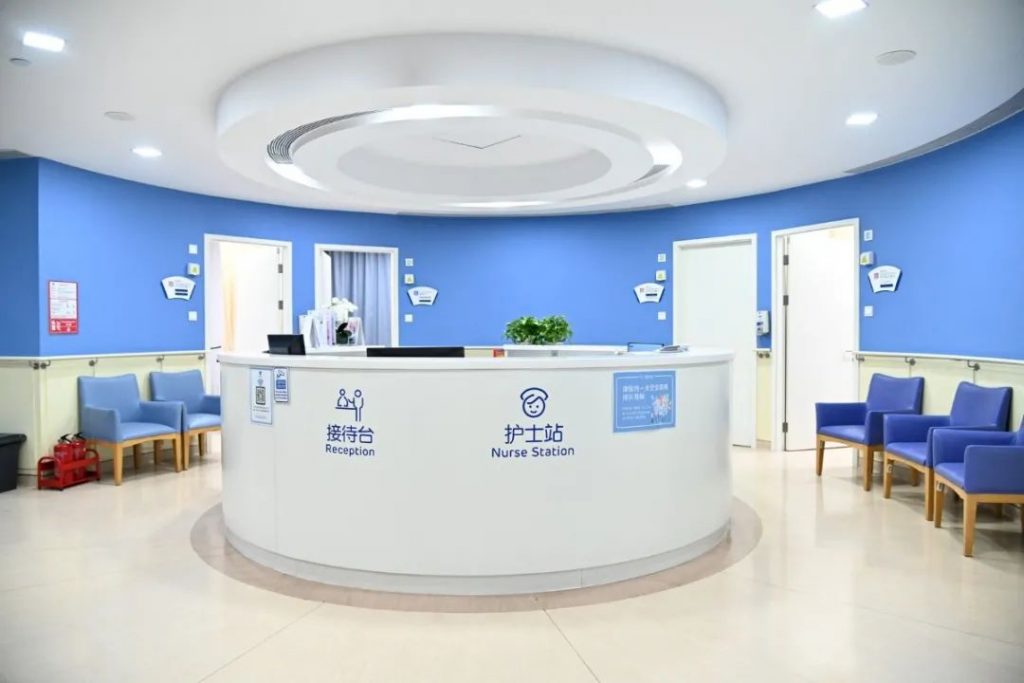
When Western travel vloggers walk into a Chinese public hospital for the first time, the footage is almost always the same: packed waiting rooms that look more like train stations, elderly patients shuffling through corridors with IV drips in hand, and a noise level that would make an American hospital administrator faint. Then comes the plot twist—the same YouTuber gets an MRI within two hours, sees a specialist the same day, and walks out with a diagnosis that took them six months to get back home.
This paradox captures the core question about medical tourism in China: Yes, it’s safe—but only if you know how to navigate the system. The country’s medical tourism market is projected to explode from $11.3 billion in 2025 to $22.8 billion by 2035, growing at a 7.2% annual rate. But behind those impressive numbers lies a healthcare system that operates on completely different logic than what most Westerners expect.
This article will decode China’s hospital classification system, explain what JCI accreditation really means, reveal the “hidden gem” of international departments, and give you the tools to separate world-class facilities from potential disasters.
Understanding the Standards: The “Tier 3A” System vs. JCI
What is a “Tier 3, Grade A” (San Jia) Hospital?
Imagine if every hospital in America had a visible rating system—like a Michelin star for medical care—posted on its front door. That’s essentially what China’s hospital classification system does. Hospitals are divided into three tiers based on bed capacity, scope of services, and teaching capabilities, with each tier subdivided into grades A, B, and C.
Tier 3, Grade A hospitals (三甲医院, pronounced “san jia”) represent the pinnacle of this system. They must score at least 900 out of 1,000 points across categories including medical equipment, staff qualifications, research output, and patient outcomes. Think of them as China’s equivalent to Mayo Clinic or Cleveland Clinic—comprehensive academic medical centers with over 500 beds that serve as regional hubs for the most complex cases.
As of 2022, China had 3,523 Tier 3 hospitals out of 36,570 total hospitals nationwide. These top-tier institutions handle the vast majority of serious medical cases and attract the most experienced physicians. In fact, many 3A doctors see 80-100 patients per day compared to their Western counterparts who might see 15-20. This isn’t necessarily bad—it means Chinese specialists have exponentially more “reps” and pattern recognition when it comes to diagnosing complex conditions.
Culture Shock Alert: If you visit a public 3A hospital’s general clinic, prepare for sensory overload. These institutions are perpetually overcrowded because China lacks a gatekeeping system requiring referrals. Anyone can walk into any hospital, meaning top hospitals attract massive patient volumes. You’ll encounter noise levels that would violate Western hospital regulations, families camping in corridors, and a seeming chaos that belies the world-class medicine happening inside.
The grading system is dynamic and subject to re-evaluation, meaning hospitals must maintain their standards or risk demotion. The evaluation criteria emphasize patient-centered care, requiring hospitals to solicit patient feedback quarterly, provide cost transparency, and ensure lab results within 24 hours.
JCI Accreditation in China
While the Tier 3A system represents China’s national gold standard, Joint Commission International (JCI) accreditation serves as the global benchmark that medical tourists recognize and trust. JCI extends the mission of the Joint Commission (which accredits U.S. hospitals) worldwide, ensuring consistent quality and safety standards.
As of December 2022, 46 Chinese healthcare organizations held JCI accreditation, making China the fifth-largest country globally for JCI-accredited facilities (representing 5% of the worldwide total of 946 institutions). Here’s the surprising part: 93% of JCI-accredited hospitals in China are private institutions—44 private hospitals, only 1 public hospital, and 1 home care organization.
Why does this matter? In Western countries, patients often perceive public hospitals as more reliable than private ones. In China, the opposite applies to international medical services. Private hospitals and international departments of public hospitals pursued JCI accreditation specifically to attract international patients and distinguish themselves in a competitive market.
Notable JCI-Accredited Hospitals for Medical Tourists:
- Beijing United Family Hospital – The first hospital in China to receive JCI accreditation, known for American-standard healthcare
- Shanghai Jiahui International Hospital – Partners with Massachusetts General Hospital, offers 500 beds and comprehensive services
- Clifford Hospital (Guangzhou) – First JCI-accredited hospital in mainland China (2003), specializes in integrative medicine
- Modern Cancer Hospital Guangzhou – JCI-accredited oncology specialist center
JCI evaluates hospitals across more than 350 standards covering everything from surgical hygiene and anesthesia procedures to staff credentialing and medication management systems. Hospitals must undergo rigorous on-site inspections and maintain accreditation through re-surveys every three years.
The “International Department” (VIP Wards): A Hidden Gem
Here’s where China’s medical tourism value proposition becomes genuinely compelling. Many top-tier public hospitals operate International Departments or Special Needs Clinics (高干病房, originally designed for high-ranking officials) that exist in a parallel universe to the chaotic general clinics.
What Makes Them Special?
These departments offer:
- English-speaking doctors and nurses with international training
- Private or semi-private rooms that look more like hotel suites than hospital wards
- Appointment-based systems that eliminate the waiting room chaos
- Dedicated case managers who coordinate your entire treatment journey
- Direct billing with international insurance companies
The genius of this model is that you’re still accessing the same top specialists who treat domestic patients—doctors who may perform hundreds of procedures per year versus dozens in Western countries—but in an environment designed for international patient expectations.
Unexpected Discovery: These international departments often serve China’s political and business elite alongside foreign patients. The physicians working here are frequently department heads or professors at medical schools—the absolute top of their fields. It’s not uncommon for a surgeon who trained at Johns Hopkins or Harvard to return to China and practice in these departments while also supervising residents in the general clinic.
The Trade-Off: International departments charge significantly more than standard public hospital services, but they’re still far cheaper than equivalent care in the U.S. or Europe. For example, a consultation that costs $50 in the general clinic might be $150-300 in the international department—but the same consultation would cost $500-800 in the United States.
Shanghai’s Zhongshan Hospital exemplifies this model. Its International Medical Center collaborates with 30 commercial insurance companies for direct billing, launched international medical tourism pilot programs in 2022, and served growing numbers of international patients while maintaining standards comparable to top global institutions.
Regulation & Technology: Why China is Safer Than You Think
Strict Oversight
China’s National Medical Products Administration (NMPA)—equivalent to the FDA—has dramatically tightened regulations since 2020, particularly in high-risk areas like cosmetic surgery and experimental treatments. The NMPA approves all drugs and medical devices sold in China, conducts regular inspections, and maintains a database of licensed medical professionals accessible for verification.
In June 2024, Shanghai released its groundbreaking “Specification for Service of International Medicine” (DB31/T 1487-2024)—China’s first official standard specifically governing international medical services. This regulation details requirements for:
- Institutional qualifications and infrastructure
- Personnel certifications and language capabilities
- Quality of care protocols
- Service management procedures
- Payment models and transparency
This represents a major leap toward standardizing medical tourism services nationwide. By 2024, implementation of this standard led to a 25% year-over-year increase in discharged international patients at Shanghai’s designated medical institutions.
High-Tech Safety
Chinese hospitals have aggressively adopted cutting-edge medical technology:
- AI-assisted diagnostics for radiology and pathology interpretation
- Da Vinci surgical robots in major hospitals (China has one of the world’s largest installed bases)
- 5G-enabled telemedicine connecting rural patients with urban specialists
- Digital health records integrated across hospital systems
This technology reduces human error and improves diagnostic accuracy. Many Tier 3A hospitals operate more advanced imaging equipment than regional hospitals in the U.S. or Europe, with faster turnaround times on results.
Supply Chain Integrity
China manufactures a significant portion of the world’s active pharmaceutical ingredients (APIs) and medical devices. The common concern about “fake drugs” is essentially nonexistent in licensed hospitals, which source medications through highly regulated supply chains. The NMPA requires rigorous quality control and traceability for all pharmaceutical products.
Boao Lecheng: The “Special Medical Zone”
Hainan’s Boao Lecheng International Medical Tourism Pilot Zone represents China’s most ambitious medical tourism experiment. This designated area allows access to over 200 drugs and medical devices approved by the FDA, EMA, or other international regulators but not yet approved for use elsewhere in China.
This “clinically urgent use” policy means international patients can receive cutting-edge treatments—like advanced cancer therapies, specialized surgical devices, or experimental biologics—that would otherwise require travel to the U.S., Europe, or Japan. The approval process takes just 22 official review days versus the typical 3-5 years for nationwide NMPA approval.
Real-world data collected at Boao Lecheng can then support accelerated nationwide registration, creating a win-win where patients access innovations earlier and pharmaceutical companies gather local clinical evidence faster.
Cost Advantage Example: Boston Keratoprosthesis implantation costs approximately $700,000 in the U.S. but only $100,000 in Boao Lecheng—using the exact same device.
Red Flags: How to Spot a Medical Scam
Despite robust regulations, medical tourism scams exist—particularly targeting vulnerable patients desperate for miracle cures. Here’s your essential warning system:
Warning Signs to Avoid:
- “Medical Brokers” on Social Media – Anyone soliciting patients via WeChat, TikTok, or Instagram without hospital credentials is a red flag. Legitimate hospitals don’t need street-level recruiters.
- Unlicensed “Clinics” or “Studios” – Especially prevalent in cosmetic surgery. Always verify the Medical Institution Practice License (医疗机构执业许可证). If they can’t produce it, walk away.
- Miracle Cure Promises – Any clinic claiming “100% cure rate for cancer” or similar guarantees is lying. Even the best hospitals acknowledge uncertainty in serious illness treatment.
- Unproven Experimental Therapies – China has become a hotspot for questionable stem cell tourism. While legitimate stem cell research exists, many clinics market unproven treatments to desperate patients. Only accept stem cell therapies that are:
- Part of registered clinical trials
- Offered at JCI-accredited facilities
- Reviewed by ethics committees
- Pressure Tactics and Rushed Decisions – Legitimate hospitals encourage second opinions and thoughtful decision-making. High-pressure sales tactics signal profit motives over patient welfare.
Pharmacy Purchases: A Modern Reality Check
While older CDC warnings cautioned about counterfeit prescription drugs in Chinese pharmacies, this concern is largely outdated. China’s pharmaceutical supply chain has modernized dramatically, and counterfeit medications in licensed pharmacies are now extremely rare.
The real issue isn’t safety—it’s upselling. Pharmacies may recommend more expensive brand-name drugs when generic equivalents exist, or suggest additional (unnecessary) supplements. This is annoying but not dangerous.
Best Practice: Only purchase medications from hospital pharmacies or large chain pharmacies in major cities. Avoid purchasing prescription medications without a valid Chinese prescription, and be wary of any pharmacy offering drugs that require prescriptions overseas without asking for documentation.
5-Step Verification Checklist
Before committing to any hospital or procedure:
- Verify the Medical Institution Practice License on China’s National Health Commission website
- Check JCI Accreditation Status at jointcommissioninternational.org
- Confirm Doctor Qualifications – Search for the physician’s name in Chinese medical databases or request CV documentation
- Read Independent Reviews on platforms like Haodf.com (好大夫在线) – China’s equivalent to Healthgrades
- Request Detailed Cost Estimates in writing, including all procedures, medications, and follow-up care
Safety in Specific Medical Fields
Different specialties carry different risk profiles in China’s medical tourism landscape:
Cosmetic Surgery
Chengdu has earned the nickname “Capital of Medical Aesthetics” (医美之都), with highly competitive prices and experienced surgeons. However, this is also the field with the most scams and unlicensed practitioners.
Safety Protocol: Only go to hospitals with the Medical Aesthetics License (医疗美容科). Check surgeon credentials—they should be certified plastic surgeons (整形外科医生), not just dermatologists or general practitioners doing procedures on the side.
Dental Tourism
China offers exceptional value for dental work, particularly implants, veneers, and orthodontics. Major city dental departments in Tier 3A hospitals maintain strict sterilization standards and use internationally certified materials.
Cost Example: A single dental implant that costs $3,000-5,000 in the U.S. typically runs $800-1,500 in China at reputable facilities.
Traditional Chinese Medicine (TCM)
Acupuncture, cupping, and herbal medicine attract many medical tourists. Legitimate TCM practices are safe, and top hospitals integrate TCM with Western medicine.
Safety Note: All herbal medicines sold in licensed hospitals undergo heavy metal testing and quality control. Avoid purchasing herbs from street markets or unlicensed practitioners.
Complex Surgeries
China’s Tier 3A hospitals excel at high-volume procedures like cardiac surgery, orthopedics, and cancer treatment. Surgeons gain expertise through sheer repetition that’s impossible in lower-volume Western settings.
Real Comparison: A heart bypass surgery costing $130,000 in the U.S. averages $40,000 at top Shanghai hospitals—using the same techniques, often trained by the same international medical schools, with comparable outcomes.
Practical Tips for a Safe Medical Trip
Insurance and Direct Billing
Many international insurance plans (Cigna, Bupa, Aetna, Pacific Prime) are accepted at JCI-accredited hospitals and international departments. Shanghai’s Eye Disease Prevention and Treatment Center, for instance, collaborates with over 30 insurance companies for seamless direct billing.
If Direct Billing Isn’t Available: Request:
- Itemized receipts in English (发票)
- Diagnosis certificates in English (诊断证明)
- All medical records and test results
These documents support reimbursement claims with your home country insurer.
Medical Visa (M-Visa)
If you’re planning a medical trip specifically for treatment, apply for an M-Visa (medical visit visa) rather than a standard tourist visa. This requires:
- Invitation letter from the treating hospital
- Proof of medical appointment
- Evidence of financial means
The M-Visa provides clearer legal status for medical treatment and can be extended if recovery takes longer than expected.
Language Barrier Solutions
English proficiency varies widely. In JCI-accredited hospitals and international departments, you’ll find fluent English speakers. In general clinics, even at top hospitals, English may be limited.
Solutions:
- Hire a professional medical interpreter (not just a friend who speaks English)
- Use AI translation devices designed for medical terminology
- Download translation apps like Pleco or Google Translate (works offline with downloaded dictionaries)
- Request all documents in English before leaving the hospital
Legal Recourse for Medical Malpractice
China has medical malpractice laws, and foreign patients have legal rights, though the system differs from Western legal frameworks:
- Medical disputes are typically mediated through hospital-based committees before escalating to courts
- Chinese law allows malpractice claims, but burden of proof often falls on patients
- Punitive damages are rare; compensation focuses on documented losses
- Legal proceedings are conducted in Chinese, requiring translators
Reality Check: Medical malpractice litigation in China is difficult and time-consuming. This is why choosing accredited facilities with proven safety records is crucial upfront rather than relying on legal recourse afterward.
Medical Tourism Insurance: Consider purchasing specialized medical tourism insurance that covers:
- Medical complications arising from procedures
- Medical evacuation if necessary
- Legal support in case of disputes
- Extended stay costs if recovery takes longer
Real Safety Comparison: China vs. Western Countries
Let’s talk objective data instead of perception:
Infection Rates: Top-tier Chinese hospitals report surgical site infection rates of 0.5-1.5%, comparable to leading Western hospitals (1-2% range). JCI-accredited facilities often perform better than this average.
Surgical Success Rates: For common procedures like joint replacement, cardiac surgery, and cancer resections, outcomes at Tier 3A hospitals match or exceed international benchmarks. A 2023 study found that liver transplant success rates at top Chinese hospitals were statistically identical to rates at U.S. transplant centers.
Speed: Where China genuinely excels is diagnostic speed. MRI/CT scans that take weeks to schedule in Canada or the UK happen same-day or next-day in China. Laboratory results that take 3-5 days in many Western systems are available within 24 hours (often same-day) in Chinese hospitals.
Honest Assessment:
Where China Excels:
- High-volume procedures where repetition builds expertise
- Diagnostic imaging and laboratory services
- Cost-effectiveness without sacrificing quality at top institutions
- Integration of traditional and Western medicine
Where Caution is Warranted:
- Experimental treatments not yet proven effective
- Highly specialized rare disease treatments (expertise may be concentrated in Western academic centers)
- Language barriers creating communication risks
- Legal recourse complexity
Making Your Decision: A Comprehensive Safety Checklist
Before booking your medical tourism trip to China:
Hospital Verification:
- [ ] Confirmed Tier 3A status or JCI accreditation
- [ ] Verified Medical Institution Practice License
- [ ] Read independent patient reviews on multiple platforms
- [ ] Confirmed existence of International Department or English-speaking staff
Doctor Verification:
- [ ] Obtained doctor’s credentials and training history
- [ ] Confirmed specialty board certification
- [ ] Researched publication record for academic procedures
- [ ] Scheduled preliminary consultation (video or in-person)
Financial Preparation:
- [ ] Obtained detailed cost estimate in writing
- [ ] Confirmed insurance coverage or direct billing availability
- [ ] Set aside 20-30% contingency budget for unexpected costs
- [ ] Arranged payment methods (international credit cards, mobile payment apps)
Communication Setup:
- [ ] Hired medical interpreter if needed
- [ ] Downloaded translation apps with medical dictionaries
- [ ] Obtained emergency contact numbers in English
- [ ] Arranged for medical records to be provided in English
Logistics:
- [ ] Applied for appropriate visa (M-Visa if medical-specific)
- [ ] Arranged accommodation near hospital
- [ ] Planned transportation for medical appointments
- [ ] Scheduled follow-up care plan (in China or home country)
Emergency Preparedness:
- [ ] Purchased medical tourism insurance
- [ ] Registered with home country embassy/consulate
- [ ] Saved emergency numbers (120 for ambulance in China)
- [ ] Documented all allergies and medical conditions in Chinese and English
FAQ: Medical Safety in China
Are Chinese hospitals as safe as American hospitals?
Top-tier Chinese hospitals (Tier 3A and JCI-accredited facilities) maintain safety standards equivalent to leading American hospitals. They use comparable equipment, follow similar protocols, and employ physicians often trained at the same international medical schools. The primary differences are cultural (hospital environment, patient-doctor dynamics) rather than safety-related.
What does JCI accreditation really mean?
JCI accreditation signifies that a hospital meets the same quality and safety standards used by the Joint Commission to evaluate U.S. hospitals. It’s verified through rigorous on-site inspections covering patient safety, infection control, medication management, staff qualifications, and continuous quality improvement. JCI accreditation must be renewed every three years.
How do I check if a Chinese hospital is accredited?
For JCI accreditation, visit jointcommissioninternational.org and search their database. For Chinese national accreditation (Tier 3A status), check the hospital’s official website or contact China’s National Health Commission. The hospital should prominently display its classification certificate.
What happens if I have complications after returning home?
This is why follow-up planning is crucial. Before leaving China:
- Obtain all medical records in English
- Get detailed post-procedure care instructions
- Receive doctor’s contact information for questions
- Arrange follow-up appointments or identify home country specialists familiar with your procedure
Many international departments provide post-discharge telemedicine consultations. Medical tourism insurance should cover complications arising from the original procedure.
Do Chinese hospitals follow international safety protocols?
JCI-accredited hospitals explicitly follow international protocols. Tier 3A public hospitals follow Chinese national standards, which align with WHO guidelines in most areas. Key practices like surgical timeouts, medication verification, and infection control are standard in top-tier facilities.
Are there English-speaking staff in accredited hospitals?
In international departments and JCI-accredited hospitals, yes—English-speaking doctors, nurses, and administrative staff are standard. In general clinics of public hospitals, English proficiency varies widely. Always confirm language capabilities before booking.
What’s the infection rate in top Chinese hospitals?
Surgical site infection rates at top Chinese hospitals range from 0.5-1.5%, comparable to leading Western hospitals. JCI-accredited facilities often perform at the lower end of this range. These facilities maintain strict sterilization protocols and modern infection control systems.
Can I sue for medical malpractice in China?
Yes, Chinese law provides for medical malpractice claims, but the process differs from Western systems. Disputes are typically mediated through hospital committees before reaching courts. Legal proceedings are conducted in Chinese, requiring interpreters. Compensation is based on documented losses rather than punitive damages. Prevention through careful hospital selection is far preferable to relying on legal remedies.
Should I get special insurance for medical tourism?
Yes, specialized medical tourism insurance is highly recommended. Standard travel insurance typically excludes pre-planned medical procedures. Medical tourism insurance covers:
- Complications from the procedure
- Extended stay if recovery takes longer
- Medical evacuation if necessary
- Some policies include legal support
Cost is usually 5-10% of procedure costs—worthwhile for peace of mind.
Which cities have the safest hospitals for medical tourists?
Beijing and Shanghai lead with the highest concentration of JCI-accredited and Tier 3A hospitals, international departments, and English-speaking staff. Guangzhou excels in cosmetic surgery and TCM integration. Chengdu specializes in medical aesthetics. Hainan’s Boao Lecheng offers access to cutting-edge drugs and devices not yet approved elsewhere in China.
Conclusion: Safety is Verifiable, Not Assumed
The question “Is medical tourism in China safe?” has a nuanced answer: It’s as safe as you make it through informed decision-making.
China’s medical tourism landscape spans from world-class JCI-accredited hospitals with international-standard care to unlicensed clinics that should be avoided at all costs. The difference isn’t mysterious—it’s verifiable through:
- Accreditation certificates
- Hospital classifications
- Doctor credentials
- Patient reviews
- Transparent pricing
The country’s rapidly growing medical tourism market ($11.3 billion in 2025, projected to reach $22.8 billion by 2035) reflects genuine improvements in healthcare quality, regulatory oversight, and international standards compliance. Shanghai’s pioneering international medical service specifications, Boao Lecheng’s innovative drug access policies, and the expanding network of JCI-accredited facilities all point toward a maturing, increasingly professional medical tourism industry.
Will you encounter culture shock? Absolutely—especially if you visit a general public hospital clinic. Will language barriers exist? Sometimes, which is why international departments exist. Will you find world-class specialists performing procedures at a fraction of Western costs? Definitely, if you do your homework.
The key takeaway: Due diligence isn’t optional—it’s essential. Use this guide’s verification checklists, understand accreditation systems, avoid common red flags, and choose facilities with proven international standards. With proper research, medical tourism in China offers safe, high-quality care that’s accessible to international patients.
Next Steps:
- Explore our Complete Guide to Medical Tourism in China for comprehensive planning
- Compare specific treatment costs in Cost Comparison: China vs US/UK/Australia
- Learn about Boao Lecheng Medical Tourism Zone for cutting-edge treatment access
- Understand Common Myths About Healthcare in China debunked by real data
Last Updated: December 2025 | Information based on official sources including China’s National Health Commission, Joint Commission International, Shanghai Municipal Health Commission, and Hainan Medical Products Administration.