
Picture this: You’re an American scrolling through Instagram, watching influencers like iShowSpeed marveling at China’s bullet trains and street food. Then you notice something unexpected in the comments—dozens of people sharing that they came to China not just for xiaolongbao dumplings, but for dental implants, MRI scans, and even full-body checkups.
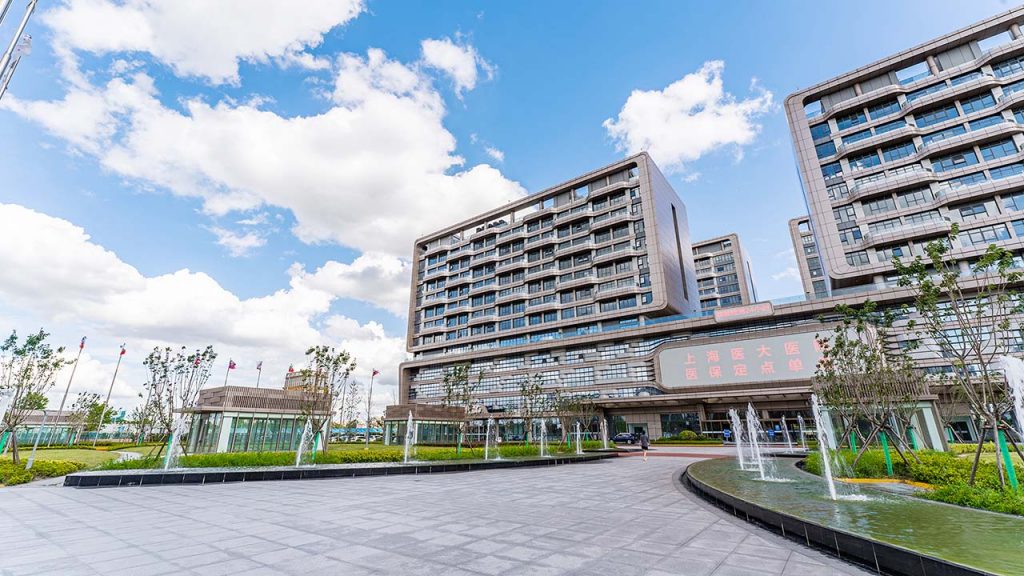
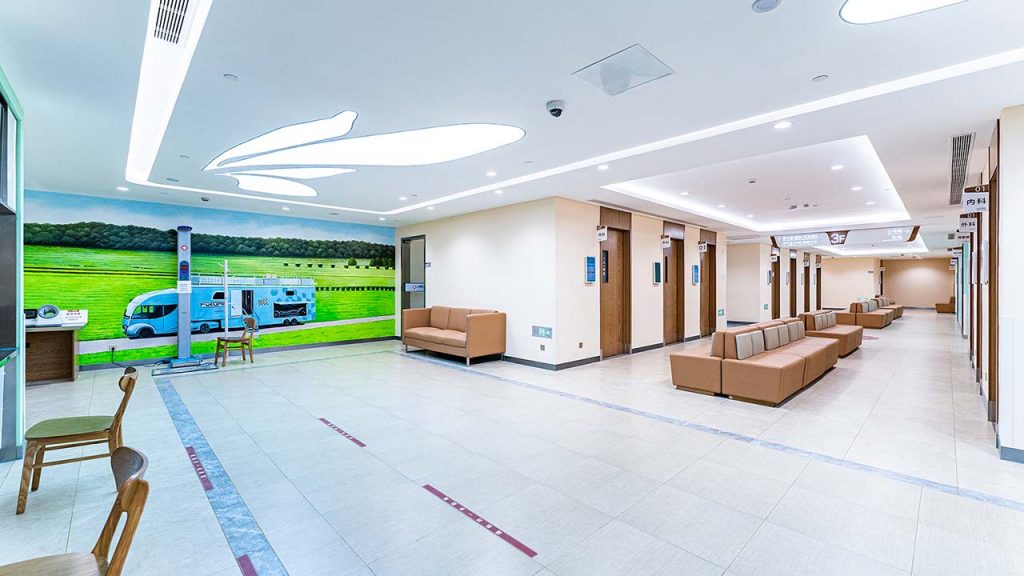
The culture shock? An MRI scan that takes weeks to schedule in America and costs $1,200-3,000 can be done the same day in China for around 500 yuan (roughly $70). That’s one-tenth the price. And it’s not happening in back-alley clinics—these are JCI-accredited international hospitals with English-speaking doctors and hotel-like facilities.
China isn’t the “cheap alternative” anymore. It’s become the convergence of speed, cutting-edge technology, and unbeatable value. This comprehensive guide breaks down exactly what the cost of medical tourism in China looks like in 2026, with real price comparisons, hidden costs revealed, and insider tips from actual medical travelers.
Ready to see the numbers? Let’s dive into why China is quietly becoming the world’s most underrated medical tourism destination. Read our Complete Guide to Medical Tourism in China (2026) for the full roadmap.
- The "China Advantage": It's Not Just About Price
- The Great Price Comparison: China vs. The West
- Understanding the Hospital "Tier" System in China
- Real Case Study: "My $2,800 VIP Medical Vacation"
- Why Are Prices So Different? The Economics Explained
- Hidden Costs & Real Savings: The Total Trip Calculator
- Country-Specific Insights: Who Saves the Most?
- When China ISN'T Cheaper: Exceptions to Know
- 2026 Game-Changers: What's New This Year
- Getting the Best Value: Your Pre-Trip Checklist
- FAQ: Quick Answers for Skeptics
- Conclusion: Why 2026 Is China's Medical Tourism Breakthrough Year
- Ready to Start Planning?
The “China Advantage”: It’s Not Just About Price
Before we get into the dollars and cents, let’s address the elephant in the room: Why China? The answer goes far beyond cost savings.
Speed & Efficiency: The “China Speed” Phenomenon
Remember the NHS wait times in the UK? Some elective surgeries require 6-12 months of waiting. Canada? Similar story. In China, medical tourism operates on a “same-day booking, same-week treatment” model.
Real example: Foreign visitors at Hainan’s Boao Lecheng Medical Tourism Zone reported feeling like “VIPs” with dedicated multilingual staff coordinating everything from checkups to rehabilitation. No endless phone calls to insurance companies. No three-month waits for a specialist consultation.
Technology (2025 Update): Shattering the “Backward” Stereotype
Let’s kill a persistent myth: China’s hospitals aren’t stuck in the 1990s. Walk into facilities like Beijing United Family Hospital or Shanghai’s international departments, and you’ll find:
- AI-assisted diagnostics that can detect anomalies Western radiologists might miss
- Robotic-assisted surgeries performed at a fraction of U.S. costs
- Paperless, cashless systems using WeChat Pay and Alipay—you’ll check out faster than ordering coffee at Starbucks
- 3D printing technology for custom dental prosthetics and surgical planning
By 2025, over 60% of medical travelers to China seek innovative treatments like specialized immunotherapies and precision robotic surgeries not yet widely available in the U.S.
The Integration Factor: Western Medicine Meets Traditional Chinese Medicine (TCM)
Here’s something unique you won’t find in London or Los Angeles: China combines thousands of years of Traditional Chinese Medicine with world-class modern technology. After your knee replacement surgery, you might receive acupuncture for pain management and herbal remedies to accelerate healing—all coordinated by the same medical team.
Foreign visitors are especially curious about TCM, having seen cupping and acupuncture in movies. Many said the integrated approach made them feel cared for holistically, not just treated as a medical case.
→ Learn more: Complete Guide to Traditional Chinese Medicine for Foreigners
The Great Price Comparison: China vs. The West
Alright, let’s get to what you came here for: the actual numbers. This isn’t theoretical—these are real prices from 2024-2025 based on verified hospital data and patient testimonials.
Diagnostic Tests: Where the “Culture Shock” Really Hits
This is where most Western travelers first experience sticker shock—in reverse.
| Diagnostic Procedure | China (Public Hospital) | China (Private International) | United States | United Kingdom | Australia | Savings |
|---|---|---|---|---|---|---|
| MRI Scan | ~$70 (500 RMB) | $200-300 | $1,200-3,000 | £300-500 ($380-635) | A$500-800 ($330-530) | 85-95% |
| CT Scan | ~$28 (200 RMB) | $150-250 | $500-1,500 | £200-400 ($255-510) | A$300-600 ($200-400) | 80-94% |
| Full-Body Checkup (VIP) | $300-800 | $1,500-3,000 | $5,000-10,000 | £1,000-2,000 ($1,270-2,540) | A$2,000-4,000 ($1,320-2,640) | 70-85% |
| PET-CT Scan | $600-900 | $1,200-1,800 | $3,000-6,000 | £1,500-3,000 ($1,905-3,810) | A$2,500-4,000 ($1,650-2,640) | 70-80% |
Why this matters: Many medical tourists combine their treatments with “medical vacation” experiences, turning diagnostic trips into comprehensive wellness getaways. Imagine spending $2,000 for a full-body checkup at a five-star hospital facility in Shanghai, then exploring the Bund—versus spending $8,000 for the same tests in Manhattan.
Dental Procedures: The #1 Driver of Medical Tourism to China
Dental work is the gateway drug of medical tourism. With China’s Volume-Based Procurement policy reducing dental implant prices by 55% and the government capping public hospital service fees at 4,500 RMB ($642), it’s no wonder dental tourism is exploding.
| Dental Procedure | China (Average) | United States | United Kingdom | Australia | Savings |
|---|---|---|---|---|---|
| Single Dental Implant | $300-1,215 | $3,000-6,000 | £2,000-3,000 ($2,540-3,810) | A$3,000-5,000 ($1,980-3,300) | 70-85% |
| Porcelain Crown | $200-400 | $1,000-2,500 | £500-1,200 ($635-1,525) | A$1,500-2,500 ($990-1,650) | 75-85% |
| Veneers (per tooth) | $150-400 | $1,000-2,500 | £500-1,000 ($635-1,270) | A$1,200-2,000 ($790-1,320) | 75-85% |
| All-on-4 Implants | $5,500-10,500 | $20,000-40,000 | £15,000-30,000 ($19,050-38,100) | A$25,000-45,000 ($16,500-29,700) | 70-80% |
| Teeth Whitening | $80-200 | $500-1,500 | £300-800 ($380-1,015) | A$600-1,200 ($395-790) | 75-90% |
Insider tip: Premium Swiss implants now cost around 1,850 RMB ($253) for materials in China, while popular South Korean brands average 770 RMB ($105). Even with the service fee, you’re looking at $650-900 total per implant versus $3,000-6,000 in the U.S.
City-specific pricing:
- Beijing: Starting from $990 per implant
- Shanghai: Starting from $1,198 per implant
- Guangzhou: Starting from $850 per implant
Major Surgeries: Where the Real Savings Happen
This is where the cost of medical tourism in China becomes genuinely life-changing for people facing five- or six-figure medical bills back home.
| Surgery Type | China (Range) | United States | UK (Private) | Australia | Savings |
|---|---|---|---|---|---|
| Knee Replacement | $8,000-20,000 | $35,000-50,000 | £12,000-18,000 ($15,240-22,860) | A$20,000-30,000 ($13,200-19,800) | 60-75% |
| Hip Replacement | $7,000-18,000 | $32,000-45,000 | £11,000-16,000 ($13,970-20,320) | A$18,000-28,000 ($11,880-18,480) | 60-75% |
| Cardiac Bypass Surgery | $15,000-35,000 | $130,000 | £20,000-40,000 ($25,400-50,800) | A$35,000-60,000 ($23,100-39,600) | 70-85% |
| LASIK Eye Surgery | $800-1,500 (both eyes) | $4,000-6,000 | £3,000-5,000 ($3,810-6,350) | A$4,500-7,000 ($2,970-4,620) | 70-80% |
| Rhinoplasty (Nose Job) | $3,000-8,000 | $8,000-15,000 | £5,000-10,000 ($6,350-12,700) | A$10,000-18,000 ($6,600-11,880) | 50-70% |
| Breast Augmentation | $4,000-8,000 | $8,000-15,000 | £5,000-12,000 ($6,350-15,240) | A$10,000-15,000 ($6,600-9,900) | 45-65% |
| Gastric Bypass | $8,000-15,000 | $20,000-35,000 | £9,000-15,000 ($11,430-19,050) | A$15,000-25,000 ($9,900-16,500) | 50-70% |
| IVF (per cycle) | $3,000-6,000 | $12,000-17,000 | £5,000-8,000 ($6,350-10,160) | A$10,000-15,000 ($6,600-9,900) | 60-75% |
Real-world impact: A cardiac bypass costing $130,000 in the U.S. averages around $40,000 in Shanghai’s top-tier hospitals—that’s a $90,000 saving. Even after factoring in flights ($1,500), accommodation ($1,000 for recovery), and miscellaneous costs ($500), you’re still saving approximately $87,000.
Cancer Treatment: Hope at a Human Cost
| Treatment Type | China (Public 3A) | China (Private) | United States | Savings |
|---|---|---|---|---|
| Chemotherapy + Radiotherapy (6-month course) | $10,000-30,000 | $30,000-50,000 | $100,000+ annually | 50-80% |
| Targeted Therapy (novel drugs) | $15,000-40,000 | $40,000-60,000 | $150,000+ annually | 60-75% |
| CAR-T Cell Therapy | $50,000-100,000 | $100,000-150,000 | $373,000-500,000 | 65-75% |
Real patient story: Lina M., 29, from the U.S., traveled to Beijing for CAR-T cell gene therapy after being diagnosed with relapsed B-cell acute lymphoblastic leukemia. Back home, options were limited and costs were too high. Within weeks of treatment in China, her blood counts improved, and scans showed no signs of active leukemia. “Traveling to China gave me access to world-class care that truly saved my life,” she said.
→ Related: Types of Medical Treatments Foreigners Seek in China
Understanding the Hospital “Tier” System in China
Not all Chinese hospitals charge the same rates. Understanding this three-tier system is crucial for budgeting your cost of medical tourism in China.
1. Public Tier 3A Hospitals (三甲医院)
What they are: China’s top public hospitals, accredited at the highest national level
Price range: Lowest costs—often subsidized by government
Language support: Limited English (mainly Chinese-speaking)
Best for: Locals and expats fluent in Mandarin
Example pricing:
- Registration fee: 20-80 RMB ($3-11)
- MRI scan: ~500 RMB ($70)
- Wait times: Can involve 2-4 hour queues
Pros: Rock-bottom prices, excellent medical expertise
Cons: Language barrier, crowded, bureaucratic process
2. International Departments (国际部)
What they are: VIP sections within public hospitals or dedicated international wings
Price range: Mid-tier—3-5x public prices but still 60-80% cheaper than the West
Language support: Full English services, bilingual doctors
Best for: Most foreign medical tourists
Example pricing:
- Consultation fee: 620-1,150 RMB ($88-163)
- Hospital stay: 3,050-4,590 RMB per night ($432-650)
- MRI scan: $200-300
Pros: No wait times, English-speaking staff, appointment-based system
Cons: Higher costs than public sections (but still dramatically cheaper than Western countries)
3. Private International Hospitals (私立医院)
What they are: Fully private facilities like United Family Healthcare, Parkway, Raffles
Price range: Highest in China—but still 50-70% cheaper than U.S./UK/Australia
Language support: Native English-speaking doctors, international staff
Best for: Travelers seeking Western-standard comfort and communication
Example pricing (United Family Beijing):
- General consultation: ~3,000 RMB ($425) including basic tests
- ECG: ~650 RMB ($92)
- Full VIP experience: Hotel-like rooms, zero wait times, comprehensive English support
Real review: “A bit near 3,000 RMB to see Dr. Roo (fantastic doctor!) in general medicine, purchase a month’s worth of medication, and have an ECG. Hospital is upfront and transparent about their prices, a welcome change for those of us from the US. Highly recommended.”
Pros: Western medical protocols, JCI accreditation, zero cultural/language barriers
Cons: Most expensive option in China (though still dramatically cheaper than home)
Our Recommendation for Foreign Visitors
For diagnostic procedures and checkups: International departments offer the best value—English service at manageable premiums.
For major surgeries: Private international hospitals provide peace of mind with transparent pricing and Western standards of care.
For cost-conscious but Mandarin-fluent travelers: Public 3A hospitals offer world-class expertise at unbeatable prices.
→ Related: Is Medical Tourism in China Safe? Accreditation & Standards Explained
Real Case Study: “My $2,800 VIP Medical Vacation”
Let me share a real story that captures the cost of medical tourism in China experience perfectly.
Meet Sarah, 52, from San Diego, California:
“I needed a comprehensive full-body checkup after turning 50. My insurance quoted $8,000 out-of-pocket with a 3-month wait just for the initial MRI. I was frustrated, so I started researching alternatives.”
“I found Shanghai United Family Hospital’s VIP Executive Health Check package for $2,800. I booked it online in 10 minutes—no middleman, no medical tourism agency fees. Here’s what happened:”
Day 1: Private consultation room that looked like a boutique hotel suite. English-speaking doctor reviewed my entire health history. Had MRI, CT scan, bloodwork, cardiac stress test, ultrasound, and mammogram—all completed in 3 hours. Back home, this would’ve taken 3 weeks minimum.
Day 2: Received a 40-page bilingual report. Doctor spent 45 minutes walking through every result. Found an early-stage thyroid nodule—caught it years earlier than I would have in the U.S.
The surprising part? The nodule required follow-up monitoring. The hospital scheduled me for a 6-month checkup and agreed to coordinate with my U.S. doctor remotely, no extra charge.
Total trip cost breakdown:
- Medical package: $2,800
- 5 nights at Ritz-Carlton Shanghai: $1,200
- Round-trip flights (LAX-PVG): $1,100
- Meals and tourist activities: $400
- Grand Total: $5,500
Savings compared to U.S.: $2,500 + got a vacation + early disease detection
“The ‘unexpected discovery’ was the level of thoroughness. They used AI-assisted screening that my doctor in San Diego didn’t even mention. I genuinely believe that early thyroid nodule finding added years to my life.”
Why Are Prices So Different? The Economics Explained
You might be wondering: “If China has cutting-edge technology and world-class doctors, why are prices 70% lower?” It’s not about cutting corners. Here’s the real economic breakdown:
1. Labor Costs & Doctor Salaries
- U.S. specialist surgeon salary: $300,000-500,000/year
- Chinese specialist surgeon salary: $40,000-80,000/year (but with exceptional purchasing power in China)
- Impact on patient costs: Lower overhead means lower per-procedure charges
2. Government Price Controls
China’s National Healthcare Security Administration capped dental implant placement costs at public hospitals at 4,500 RMB ($642). Pharmaceutical pricing is strictly regulated—generics cost 70-90% less than in the U.S.
3. No Insurance Industry Markup
In America, hospital bills are inflated to negotiate with insurance companies. In China’s medical tourism sector, you pay direct transparent pricing—what you see is what you pay.
4. Scale & Efficiency
Shanghai’s 13 government-designated hospitals alone recorded 133,900 outpatient visits from foreigners in Q1 2024—a 31% increase from 2023. Massive patient volume enables cost optimization and operational efficiency.
Hidden Costs & Real Savings: The Total Trip Calculator
Let’s be honest: The surgery price is only part of the story. Here’s what to budget for when calculating the real cost of medical tourism in China:
Total Cost Breakdown Example: Knee Replacement Surgery
United States (Without Insurance):
- Surgery: $45,000
- Pre-op consultations: Included
- Post-op physical therapy (8 weeks): Included in facility fee
- U.S. Total: $45,000
China (Medical Tourism Package):
Medical Costs:
- Knee replacement surgery: $12,000
- Hospital stay (5 nights): ~5,000 RMB/night = $3,500 total
- Pre-op consultations: $300
- Post-op physical therapy (2 weeks in China): $800
Travel & Accommodation Costs:
- Round-trip flights (LAX/JFK to Beijing/Shanghai): $1,200-1,500
- Recovery hotel (7 nights post-discharge): $100-200/night = $700-1,400
- Visa fee: $140 (or free with 15-day exemption for many countries in 2025)
- Ground transportation: $200
- Meals: $30/day × 14 days = $420
- Medical translation/concierge (optional): $500-1,500
China Total Cost:
- Medical: $16,600
- Travel: $3,160-4,560
- Grand Total: $19,760-21,160
Net Savings: $23,840-25,240 (53-56% reduction)
Insurance Reality Check
Can you use your health insurance?
Most international insurance policies don’t cover medical care in China. However:
- Some U.S. insurance plans offer “out-of-network” reimbursement—you pay upfront, submit receipts, and get partial reimbursement
- Travel insurance with “medical tourism” riders can cover complications
- Even after paying 100% out-of-pocket, you typically save 50-70% versus U.S. costs
Pro tip: Get itemized receipts in English. Many Chinese international hospitals provide documentation compatible with U.S. insurance submission.
→ Related: How Much Can You Really Save? Real Price Breakdowns
Country-Specific Insights: Who Saves the Most?
The cost of medical tourism in China varies by your home country. Here’s the breakdown:
🇺🇸 U.S. Patients: Maximum Savings Potential
Why Americans save the most:
The United States has the world’s highest healthcare costs. Recent reports project a 35% increase in Americans traveling abroad for medical care by 2025, with China emerging as a top destination.
Popular procedures for U.S. travelers:
- Cardiac surgery ($130,000 in U.S. vs $40,000 in Shanghai)
- Joint replacements (60-75% savings)
- Dental work (70-85% savings)
- Cancer treatments (50-80% savings)
Insurance gap reality: With high deductibles ($6,000-10,000) and out-of-pocket maximums, even insured Americans face massive bills. China offers a complete reset.
🇬🇧 UK Patients: Speed Over Cost
The NHS wait time problem:
NHS elective surgeries can require 6-12 months waiting. China’s appeal? Same-week treatment scheduling.
Cost comparison:
- Private UK knee replacement: £12,000-18,000 ($15,240-22,860)
- China international hospital: $8,000-20,000
- Savings: 30-50% + immediate treatment
Why Brits choose China:
- Avoid NHS wait lists for non-emergency procedures
- Private UK costs still 2-3x higher than China
- Combine treatment with cultural travel experience
🇦🇺 Australian Patients: Geographic & Economic Advantage
Proximity benefit:
Australians enjoy closer geographic proximity to Chinese cities, making travel easier and cheaper than to Europe or the U.S.
Medicare gap:
Medicare doesn’t cover overseas medical care, but neither does it cover much beyond basic hospital care domestically. Private health insurance in Australia is expensive, creating the same “medical debt” problem as the U.S.
Popular route: Medical + vacation combo
- Fly to Hainan for knee surgery ($12,000)
- Recover on tropical beaches
- Total cost including 2-week vacation: $18,000
- Same surgery in Sydney: A$25,000-30,000 ($16,500-19,800)
When China ISN’T Cheaper: Exceptions to Know
Let’s be transparent: China isn’t always the answer. Here are scenarios where staying home might make more sense:
1. Experimental/Investigational Treatments
If you’re enrolled in a clinical trial in your home country, leaving may disqualify you. Some cutting-edge FDA trials aren’t available in China yet.
2. Long-Term Mental Health Therapy
Language barriers make ongoing psychiatric care or therapy challenging. Short-term consultation? Fine. Years-long therapeutic relationship? Stay home.
3. Follow-Up Intensive Procedures
If your surgery requires monthly follow-ups for a year, flying back to China isn’t practical. Ask yourself: Can my local doctor manage follow-up care?
4. Medications with Import Restrictions
Some post-op medications aren’t approved for export or import in your home country. Verify this before committing.
Rule of thumb: China excels at one-time procedures with clear endpoints—surgeries, dental work, diagnostics. It’s less ideal for ongoing care relationships.
2026 Game-Changers: What’s New This Year
The cost of medical tourism in China landscape is evolving rapidly. Here’s what’s changed in 2024-2025:
1. Hainan Boao Lecheng Medical Tourism Pilot Zone
In Q1 2025, the Boao Lecheng zone saw a 29.8% increase in visitors, with per capita spending exceeding 12,000 yuan ($1,650). What makes it special?
- Access to 118 new drugs/devices not yet approved elsewhere in China
- Collaborations with over 180 pharmaceutical and device companies from more than 20 countries
- By 2027, targeting 1.5 million annual visitors
Real example: Alexander, a Greek engineer living in Haikou, was diagnosed with glioma (brain cancer) in August 2024. Lecheng provided access to experimental treatments unavailable elsewhere in China, giving him options that extended his life expectancy.
→ Deep dive: Boao Lecheng Medical Tourism Zone: Accessing Cutting-Edge Treatments
2. Independent Booking Revolution
By 2025, independent travelers comprise around 55% of medical travelers to China—a massive shift from agency-dominated bookings.
Why this matters:
- Direct hospital booking eliminates 20-30% agency markups
- Hospital websites now have English portals
- WeChat mini-programs enable appointment scheduling without middlemen
How to book independently:
- Visit hospital’s English website (e.g., ufh.com.cn/en)
- Fill out online inquiry form
- Receive quote within 24-48 hours
- Pay deposit, book flights, arrive for treatment
3. AI & Robotics Integration
Over 60% of medical travelers to China now seek innovative solutions like specialized immunotherapies, stem cell applications, and precision robotic surgeries.
2026 highlights:
- AI-assisted diagnostics: Faster, more accurate detection of anomalies
- Robotic surgeries: Minimally invasive procedures with faster recovery
- 24/7 AI translation: Real-time medical translation apps eliminate language barriers
Getting the Best Value: Your Pre-Trip Checklist
Before you book that flight, follow this checklist to ensure you’re getting optimal value from the cost of medical tourism in China:
✅ Research Phase (2-4 weeks before)
- [ ] Compare 3+ hospitals across public 3A, international departments, and private facilities
- [ ] Request itemized quotes—beware of vague “package deals” that hide fees
- [ ] Verify JCI accreditation or equivalent international certifications (JCI.org)
- [ ] Check doctor credentials on hospital English websites—look for Western training or fellowships
- [ ] Clarify what’s included: Medications? Follow-up visits? Complication coverage?
- [ ] Read recent patient reviews (ClinicsonCall.com, WhatClinic.com, hospital Google reviews)
✅ Pricing & Payment (1-2 weeks before)
- [ ] Get all-inclusive cost breakdown: Surgery + hospital stay + meds + consultations
- [ ] Understand the payment timeline:
- Deposit required to book: Usually 10-30%
- Balance due: Often before procedure or at discharge
- [ ] Verify accepted payment methods:
- Most accept: Visa/Mastercard, WeChat Pay, Alipay, bank transfers
- Some don’t accept: American Express, personal checks
- [ ] Ask about installment plans—some hospitals offer payment plans for major surgeries
✅ Logistics Planning
- [ ] Book accommodation near hospital—recovery convenience is crucial
(Recommended: Within 2km of hospital, hotel with elevator and room service) - [ ] Plan recovery timeline:
- Knee replacement: 10-14 days in China
- Dental implants: 3-7 days
- LASIK: 3-5 days
- Heart surgery: 14-21 days
- [ ] Arrange medical translation (if not using international hospital):
- Hospital concierge services: $500-1,500
- Independent medical interpreters: $50-100/hour
- [ ] Purchase travel insurance with medical tourism rider (check Allianz, GeoBlue, IMG Global)
🏥 Recommended Resources for Price Comparison
Official Hospital Websites (English):
- United Family Healthcare: ufh.com.cn/en
- Shanghai East International Medical Center: seimc.com.cn/en
- Beijing Puhua International Hospital: puhua.com.en
Medical Tourism Platforms:
- ClinicsonCall.com
- MedicalTourism.com/china
- WhatClinic.com/china
Government Resources:
- Boao Lecheng official portal for specialized treatments
FAQ: Quick Answers for Skeptics
1. Is medical care in China really 60-80% cheaper than the US?
Yes, for most major procedures. Dental implants, for example, range from $300-1,215 in China versus $3,000-6,000 in the U.S.—that’s 70-85% savings. Knee replacements cost $8,000-20,000 in China versus $35,000-50,000 in America. However, prices vary significantly between public hospitals (cheapest), international departments (mid-range), and private hospitals (still cheaper than the West).
→ Is Medical Tourism in China Safe? Accreditation & Standards Explained
2. How much is an MRI scan in China vs the United States?
Public hospital MRI scans in China cost around $70 (500 RMB). Private international hospital MRIs range from $200-300. In the United States, the same scan costs $1,200-3,000—that’s 85-95% savings. CT scans are even more dramatic: $28 in public hospitals versus $500-1,500 in the U.S.
3. Do Chinese hospitals accept US health insurance?
Most Chinese hospitals don’t directly bill U.S. insurance companies. You’ll pay out-of-pocket and file for reimbursement later. Some insurance plans offer “out-of-network” coverage that may reimburse 40-70% of costs. Always get itemized receipts in English for insurance submission. Even without reimbursement, total costs including travel typically remain 50-70% cheaper than U.S. domestic care.
4. What’s the difference between public and private hospital costs in China?
Public Tier 3A hospitals charge the lowest rates—a consultation might cost $3-11. International departments within these hospitals charge $88-163 for consultations with English-speaking doctors. Private international hospitals like United Family charge around $425 for comprehensive consultations. However, even the most expensive private hospitals in China remain 50-70% cheaper than equivalent care in the U.S., UK, or Australia.
5. Can I get a full-body checkup in one day in China?
Yes! Many VIP packages offer same-day comprehensive screening including MRI, CT, bloodwork, cardiac stress tests, ultrasounds, and specialist consultations—all completed in 3-4 hours. United Family Healthcare’s VIP Executive Health Check costs $2,800 and includes everything with results delivered the next day. In the U.S., coordinating these tests separately would take weeks and cost $8,000-10,000.
6. Do doctors in major Chinese cities speak English?
In international departments and private hospitals, yes—doctors are fluent in English, often with overseas medical training. In public Tier 3A hospitals, English proficiency varies significantly. For complex procedures, we recommend international departments or private facilities where language barriers won’t compromise care. Many hospitals now offer 24/7 AI translation services as backup.
7. How much should I budget for a medical trip including all travel costs?
For a major surgery like knee replacement:
- Surgery & hospital: $12,000-16,000
- Flights (round-trip): $1,200-1,500
- Recovery accommodation (7-14 nights): $700-2,000
- Meals & transport: $500-800
- Visa & miscellaneous: $200-400
- Total budget: $14,600-20,700
Compare this to $35,000-50,000 for the same surgery in the U.S., and you’re still saving $14,300-35,400 (40-70%).
8. Are medication costs included in surgery prices in China?
For inpatient procedures, medications administered during your hospital stay are typically included in the surgery package. However, prescriptions to take home after discharge are usually billed separately. Always clarify this when requesting quotes. Chinese pharmaceutical prices are 70-90% lower than in the U.S. due to government price controls, so even separate medication costs remain affordable.
9. Is Hainan really cheaper than Beijing or Shanghai?
Prices are comparable across major cities, but Hainan’s Boao Lecheng Medical Tourism Zone offers unique advantages: access to 118 experimental drugs and devices not yet approved elsewhere in China, tropical recovery environment, and growing international infrastructure. If you need cutting-edge treatments unavailable in Beijing or Shanghai, Hainan provides access to therapies that might otherwise require travel to the U.S. or Europe at 3-5x the cost.
10. What payment methods do Chinese hospitals accept from foreigners?
Most international hospitals accept:
- Credit cards: Visa, Mastercard (American Express less common)
- Chinese mobile payments: WeChat Pay, Alipay (if you set up an account)
- Bank transfers: Wire transfers for large deposits
- Cash: USD or RMB (though large amounts may require bank conversion)
Payment timeline: Expect to pay 10-30% deposit when booking, with the balance due before the procedure or at discharge. Some hospitals offer installment plans for surgeries exceeding $20,000.
Conclusion: Why 2026 Is China’s Medical Tourism Breakthrough Year
The cost of medical tourism in China isn’t just about saving money—it’s about accessing world-class care faster, with cutting-edge technology, in facilities that rival anything in the West.
Here’s what we’ve covered:
- Real savings of 50-85% across diagnostics, dental work, and major surgeries
- Three-tier hospital system that lets you choose your comfort level and budget
- Same-day to same-week scheduling—no more endless wait times
- 2026 innovations like Boao Lecheng’s experimental treatments and AI-assisted care
- Real patient experiences showing comprehensive care that often exceeds Western standards
The numbers don’t lie: an American can save $29,500 on knee replacement surgery, a Brit can bypass 6-month NHS waits, and an Australian can combine treatment with a tropical vacation—all while receiving care from JCI-accredited facilities with English-speaking doctors.
The “unexpected discovery”? It’s not just about cheaper healthcare. It’s about entering a system where medical AI detects anomalies your home doctor might miss, where robotic surgeries offer precision beyond human capability, and where Traditional Chinese Medicine complements Western protocols for holistic healing.
China in 2026 isn’t a “discount alternative.” It’s a first-choice destination for savvy medical travelers who refuse to compromise on quality while refusing to overpay.
Ready to Start Planning?
Next steps in your medical tourism journey:
📋 For treatment-specific details:
→ Types of Medical Treatments Foreigners Seek in China
💰 For detailed cost breakdowns:
→ How Much Can You Really Save? Real Price Breakdowns
🏥 For safety and accreditation info:
→ Is Medical Tourism in China Safe? Accreditation & Standards Explained
🌴 For cutting-edge treatments:
→ Boao Lecheng Medical Tourism Zone: Accessing Cutting-Edge Treatments
📚 For the complete roadmap:
→ Complete Guide to Medical Tourism in China (2026)
Have questions about your specific medical needs? Drop a comment below or contact us directly. We’re here to help you navigate the cost of medical tourism in China and make informed decisions about your healthcare journey.
Remember: Medical tourism isn’t just about finding the cheapest option—it’s about finding the best value. China in 2026 delivers both.