
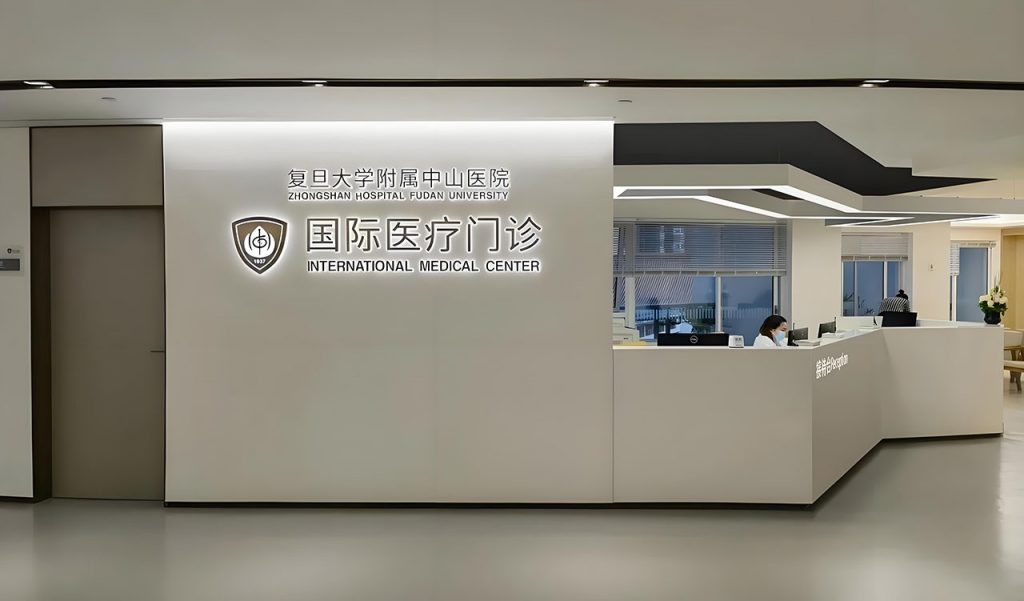
I’ll never forget the panicked WhatsApp message from my friend Sarah: “I might need surgery while teaching in Shanghai. Should I fly back to Australia? I’ve heard horror stories about Chinese hospitals.”
Three weeks later, after receiving treatment at Shanghai East International Medical Center, she sent me photos of her private room overlooking the Bund and a bill that was one-fifth of what she’d pay back home. “Why doesn’t anyone talk about THIS?” she texted.
Sarah’s not alone. Despite China treating over 600,000 international medical tourists in 2024—a figure that’s grown 40% since 2022—the same tired myths about Chinese healthcare keep circulating on expat forums and travel blogs. Most of this misinformation is stuck in a time warp from the 1990s, or based on cherry-picked horror stories that ignore how dramatically China’s medical system has evolved.
If you’re considering medical tourism in China, moving there for work, or just want to separate fact from fiction, this article will set the record straight. We’ll examine the 10 most persistent healthcare myths foreigners believe about China, backed by current data, real patient experiences, and what you’ll actually encounter in 2025.
Complete Guide to Medical Tourism in China (2026)
Quick Answers: Myth vs Reality
Before we dive deep, here’s the fast version:
| Myth | Reality |
|---|---|
| Chinese hospitals are dirty and outdated | Tier-1 hospitals meet international standards; 88 hospitals have JCI accreditation |
| Doctors aren’t properly trained | Medical training requires 6-8 years + residency; many trained internationally |
| Only traditional medicine available | Western medicine is standard; TCM is optional |
| No English-speaking staff | International departments at major hospitals have English services |
| Extremely expensive for foreigners | Often 50-70% cheaper than US/UK, even for foreigners |
| Need connections to get care | Online booking systems and VIP services available |
| No medical privacy | Privacy laws enacted; digital records systems in place |
| Emergency care is chaotic | Structured triage systems; response times comparable to Western countries |
| Medications are fake | Strict pharmaceutical regulations; international brands available |
| All treatments are experimental | Standard protocols followed; cutting-edge options available in designated zones |
Now let’s unpack each myth with the nuance it deserves.
Myth #1: Chinese Hospitals Are Dirty and Outdated
What People Believe: Many foreigners picture overcrowded facilities with poor hygiene, outdated equipment, and conditions resembling field hospitals from disaster zones.
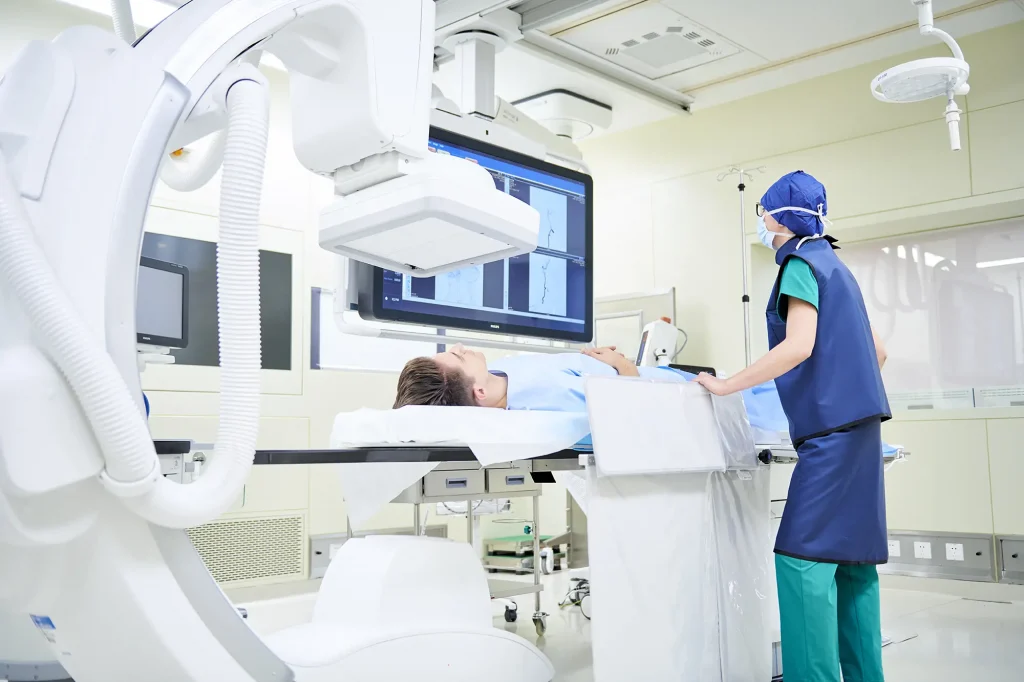
The Reality: Walk into Peking Union Medical College Hospital, West China Hospital, or any of Shanghai’s international medical centers, and you’ll find facilities that rival—and sometimes exceed—what you’d see in London, New York, or Sydney.
As of 2025, China has 88 hospitals accredited by the Joint Commission International (JCI), the gold standard for healthcare quality worldwide. For context, that’s more than India (38) and roughly the same as Thailand (89), Asia’s traditional medical tourism leader.
The misconception stems from two realities that coexist:
Tier-1 Reality: Major cities like Beijing, Shanghai, Guangzhou, and Chengdu have invested billions in medical infrastructure. The Shanghai Proton and Heavy Ion Center, which opened in 2015, was the first of its kind in Asia. Huaxi Hospital in Chengdu performs more than 200,000 surgeries annually with infection rates below 1%—better than many Western hospitals.
Rural Reality: Smaller cities and rural areas still face infrastructure challenges. A hospital in a tier-3 city may indeed have older equipment and more basic facilities. This disparity is real, but it’s also why medical tourists specifically target tier-1 hospitals.
What You’ll Actually Experience: If you’re considering medical treatment in China, you’ll be directed to international hospitals or the international departments of major public hospitals. These facilities feature:
- Private rooms with attached bathrooms
- Electronic medical records systems
- Modern diagnostic equipment (MRI, CT, PET scans)
- Sterilization protocols meeting WHO standards
- Air filtration systems
- English signage and multilingual staff
The “dirty hospital” myth is about 25 years out of date. That doesn’t mean every facility is perfect, but the hospitals foreigners actually use are held to rigorous standards.
Is Medical Tourism in China Safe? Accreditation & Standards Explained
Myth #2: Chinese Doctors Aren’t Properly Trained
What People Believe: There’s a persistent assumption that Chinese medical education is inferior to Western standards, or that doctors practice without proper qualifications.
The Reality: Chinese doctors undergo some of the most rigorous training in the world—arguably more demanding than many Western countries in terms of length and competition.
Here’s what it actually takes to become a doctor in China:
Education Requirements:
- 5-year undergraduate medical degree (6 years for clinical medicine)
- 3-year residency minimum
- Additional 2-4 years for specialists
- Total: 8-12 years of training
Competitive Pressure: China’s Gaokao (national college entrance exam) requires scores in the top 5% to enter prestigious medical schools. Peking University Health Science Center and Fudan University Medical School accept less than 2% of applicants.
International Standards: Many Chinese doctors complete portions of their training abroad. Over 60,000 Chinese medical professionals have trained or worked in the United States alone. Top-tier hospitals like Peking Union Medical College Hospital require staff to have international training or certifications.
What Foreigners Miss: The Chinese medical system has different patient interaction styles—consultations may be shorter, bedside manner more direct—but this is cultural difference, not incompetence.
In 2024, a study published in The Lancet found that diagnostic accuracy rates at China’s top hospitals matched those of leading institutions in the US and UK for complex cases.
The Nuance: Are there poorly trained doctors in China? Yes, just as there are in every country. The key is knowing where to go. International departments at tier-1 hospitals staff doctors with:
- Board certifications
- English proficiency
- Experience treating foreign patients
- Often additional credentials from US, UK, or European institutions
Myth #3: You Can Only Get Traditional Chinese Medicine (TCM)
What People Believe: Some foreigners worry they’ll be prescribed herbs and acupuncture when they need antibiotics or surgery.
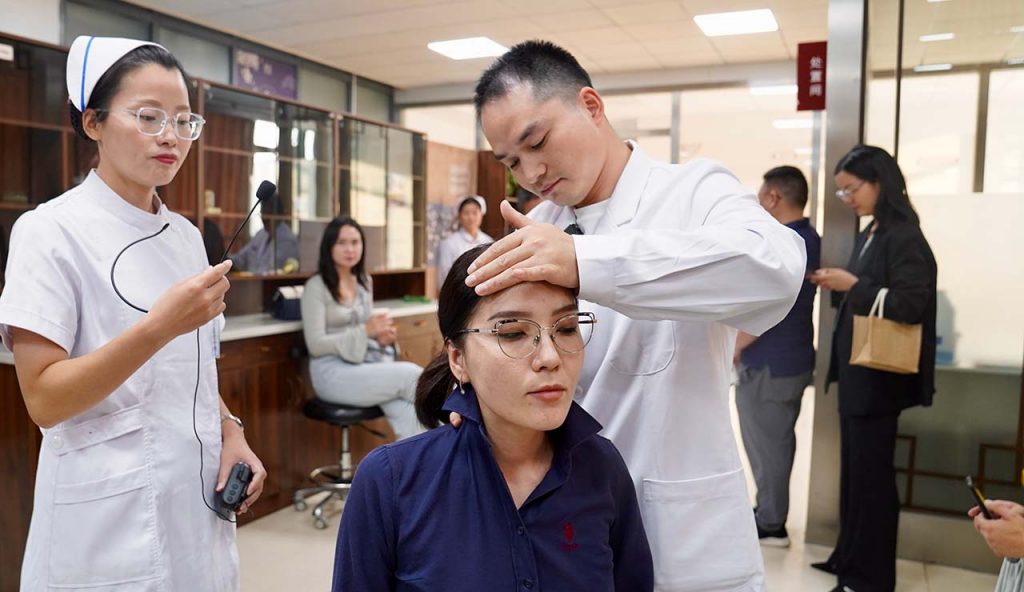
The Reality: China operates a dual medical system. Western medicine (called 西医, xīyī) is the primary approach in virtually all hospitals. TCM is offered as a complementary option, not a replacement.
When you visit a Chinese hospital with a bacterial infection, you’ll get antibiotics—the same ones used globally. Need surgery? You’ll find Western surgical techniques performed with modern equipment.
How the System Works:
Most major hospitals have separate departments:
- Western Medicine Departments: Handle acute care, surgery, emergency medicine, diagnostics
- TCM Departments: Offer acupuncture, herbal medicine, massage therapy (tuina), often for chronic conditions
Patients can choose either or both. Many foreigners actually discover they appreciate having the option of TCM for things like:
- Chronic pain management
- Post-surgery recovery
- Fertility treatments
- Stress-related conditions
Medication Availability: Pharmacies in Chinese hospitals stock:
- International pharmaceutical brands (Pfizer, Johnson & Johnson, Roche, etc.)
- Generic equivalents meeting Chinese FDA standards
- Over-the-counter medications familiar to Westerners
- Both Western and Chinese herbal preparations
What You Should Know: You won’t be forced into TCM. However, some doctors may suggest it as a complementary approach. You can always decline. The informed consent process in international departments ensures you understand all treatment options.
One American patient told me: “I went in for knee pain expecting surgery. The doctor showed me the MRI, said surgery was an option but not urgent, and suggested trying acupuncture and physical therapy first. Three months later, the pain was 80% better. I appreciated having choices.”
Complete Guide to Traditional Chinese Medicine for Foreigners
Myth #4: No One Speaks English in Chinese Hospitals
What People Believe: You’ll need a translator for everything, leading to dangerous miscommunication about medications, diagnoses, and treatment.
The Reality: This myth has the most truth to it—with crucial context. Yes, English proficiency varies wildly, but medical tourists don’t use the same system as locals.
Where English Is Available:
International Hospitals (Private):
- United Family Healthcare (Beijing, Shanghai, Guangzhou, Qingdao)
- Parkway Health
- Shanghai East International Medical Center
- International SOS Clinics
These facilities have fully bilingual staff, English-speaking doctors (often Western-trained), and all documentation in English.
Public Hospital International Departments: Most top-tier public hospitals now have international patient departments (国际医疗部) with:
- English-speaking coordinators
- Doctors with English proficiency
- Translated consent forms
- Medical reports in English
Where English Is Limited:
If you walk into a regular public hospital outpatient clinic in a second-tier city without going through the international department, you’ll likely struggle. The nurse at registration may not speak English, and general practitioners typically conduct consultations in Chinese.
Solutions Available:
- Medical Translation Apps: Pleco Medical, WeChat translation, and hospital-specific apps
- Professional Medical Translators: Available for 300-500 RMB ($40-70 USD) per appointment
- Hospital Coordination Services: Many hospitals offer package services that include translation
- Expat Medical Assistance: Companies like International SOS provide 24/7 support
Real Experience: A British expat in Hangzhou shared: “I needed an MRI for a sports injury. The hospital coordinator spoke perfect English, my doctor’s English was functional but accented, and all my test results came back with English translations. It wasn’t seamless, but I never felt unsafe or confused about my treatment.”
The Bottom Line: Language barriers exist in China’s healthcare system, but they’re solvable if you use international services. Don’t expect a random emergency room to have English speakers, but planned medical treatments through proper channels? Communication is manageable.
Myth #5: Healthcare in China Is Expensive for Foreigners
What People Believe: There’s a widespread assumption that hospitals charge foreigners 3-5x more than locals, making treatment prohibitively expensive.
The Reality: China is one of the most affordable medical tourism destinations in the world, even when foreigners pay slightly higher rates at some facilities.
The Two-Tier Pricing Reality:
It’s true that some hospitals have different pricing structures:
- Public hospitals: Same rates for everyone
- Private/international hospitals: Higher rates (but these are the “foreigner-friendly” facilities)
- International departments of public hospitals: 20-30% premium over standard departments
But here’s what matters: even with that premium, costs are dramatically lower than Western countries.
Real Price Comparisons (2025):
| Procedure | China (International Department) | USA | UK (Private) | Savings |
|---|---|---|---|---|
| Dental Implant | $800-1,200 | $3,000-6,000 | £2,000-3,000 | 60-80% |
| Knee Replacement | $7,000-10,000 | $30,000-50,000 | £12,000-18,000 | 70-85% |
| IVF Cycle | $4,000-6,000 | $12,000-20,000 | £8,000-12,000 | 60-75% |
| LASIK (both eyes) | $1,200-2,000 | $4,000-8,000 | £3,000-5,000 | 70-80% |
| Cosmetic Rhinoplasty | $3,000-5,000 | $8,000-15,000 | £5,000-7,000 | 60-70% |
Insurance Coverage:
Many international insurance plans now cover treatment in China at JCI-accredited facilities. Plans from:
- Cigna Global
- Allianz Worldwide Care
- Bupa Global
- AXA Global Healthcare
Check your policy’s “recognized provider” list. Some plans even encourage treatment in Asia due to lower costs.
What You Actually Pay:
An Australian medical tourist described her experience: “I needed extensive dental work—three implants and crowns. Back home: quoted $18,000 AUD. In Shanghai at Arrail Dental: $4,200 USD including accommodation for a week. Even with flights, I saved over $10,000.”
Where Higher Costs Apply:
- Emergency services without proper documentation
- Experimental treatments at specialized facilities like Boao Lecheng
- VIP services with private suites and dedicated care teams
But even these premium services often cost less than standard care in the US.
How Much Can You Really Save? Real Price Breakdowns
Myth #6: You Need Connections (Guanxi) to Get Good Care
What People Believe: The Chinese concept of guanxi (connections/relationships) means you can’t access quality healthcare without knowing someone influential or paying bribes.
The Reality: While guanxi exists in Chinese culture, the modern healthcare system—especially for foreigners—operates on booking systems, payment, and service quality.
How Foreigners Actually Access Care:
Online Booking Systems:
- Hospital websites and apps (many with English interfaces)
- Third-party platforms like Good Doctor (平安好医生)
- International medical tourism agencies
- Direct email/phone booking for international departments
Walk into Shanghai United Family Hospital, and you’ll book an appointment like you would anywhere in the West: choose your doctor, select a time slot, pay, and show up. No connections required.
VIP and International Services:
These exist specifically to bypass the traditional system where guanxi might matter. By paying for international department access (usually 20-30% premium), you get:
- Direct appointment booking
- Shorter wait times
- English-speaking coordinators who advocate for you
- Private consultation rooms
- Faster test results
Where Guanxi Still Matters:
Let’s be honest about the nuance: in the regular public hospital system that locals use, connections can help with:
- Getting appointments with renowned specialists (who may be booked months ahead)
- Securing inpatient beds during busy periods
- Navigating bureaucratic processes faster
But as a foreigner using international medical services, you’re already opting out of this system. You’re paying for a service tier where efficiency is the product.
Real Experience: A Canadian expat in Shenzhen explained: “I tore my ACL playing basketball. I didn’t know anyone. I called the international department at HKU-Shenzhen Hospital, got an appointment for the next day, saw a surgeon trained at Johns Hopkins, had an MRI within three days, and scheduled surgery for two weeks later. Zero connections needed—just my credit card.”
The Bottom Line: Guanxi is real in Chinese society, but it’s not a barrier for medical tourists or expats using international healthcare services. The “you need connections” myth conflates two different systems: the public healthcare track for locals (where guanxi can help but isn’t required) and the international healthcare track for foreigners (where money talks).
Myth #7: Medical Records and Privacy Don’t Exist
What People Believe: Your medical information will be shared freely, privacy laws are non-existent, and records are kept in chaotic paper systems.
The Reality: China enacted comprehensive medical privacy laws and has rapidly digitized health records—though the system operates differently than HIPAA in the US or GDPR in Europe.
Legal Framework:
Key Legislation:
- Personal Information Protection Law (PIPL, 2021) – China’s equivalent to GDPR
- Data Security Law (2021)
- Healthcare Data Security Regulations (Updated 2024)
- Medical Institution Management Guidelines
These laws mandate:
- Patient consent for information sharing
- Secure storage of medical records
- Penalties for unauthorized disclosure
- Right to access your own records
Digital Health Records:
China’s healthcare system has leapfrogged paper-based systems in many ways:
- National Health Information Platform: Links records across hospitals (with patient consent)
- Hospital-Specific Systems: Most major hospitals use electronic medical records (EMR)
- Mobile Access: Patients access test results, prescriptions, and records via hospital apps
- Blockchain Pilots: Several provinces testing blockchain for health data security
Your Rights as a Foreign Patient:
At international hospitals and departments, you can:
- Request all records in English
- Obtain digital copies of test results
- Access imaging (MRIs, CT scans) on USB drives
- Request that records NOT be shared with other facilities
- Receive detailed billing and treatment documentation
Cultural Differences to Understand:
What feels like “privacy violations” to Westerners may be different norms:
- Family Involvement: Chinese culture assumes family members have rights to patient information. As a foreigner, you can explicitly state you want information shared only with you.
- Doctor Consultations: Examination rooms may have less privacy than Western hospitals (curtains instead of doors). Request private consultation rooms if needed.
- Hospital Crowding: In busy public hospitals, other patients might overhear conversations. International departments offer more privacy.
What You Should Do:
- Ask about privacy policies when booking treatment
- Request English documentation of privacy consent
- Specify who can access your medical information
- Get copies of all records in digital format
- Check if your insurance requires specific documentation
Real Concern to Consider: Cross-border data sharing. If you receive treatment in China and later need records transferred to your home country, the process can be slow due to different systems and certification requirements. Plan ahead for this.
Myth #8: Emergency Care Is Chaotic and Dangerous
What People Believe: Chinese emergency rooms are overcrowded madhouses where you’ll wait hours for life-threatening care, triage doesn’t exist, and it’s first-come-first-served chaos.
The Reality: While Chinese emergency departments operate differently than Western ones, they have structured systems—and response to life-threatening emergencies is actually fast.
How Emergency Departments Actually Work:
Triage System:
Chinese hospitals use a four-tier system:
- Critical (濒危): Immediate treatment (cardiac arrest, severe trauma, stroke)
- Emergency (危重): Treatment within 10 minutes (acute pain, breathing difficulties)
- Urgent (急症): Treatment within 30 minutes (fractures, fever, moderate injuries)
- Non-urgent (非急症): Wait time varies (minor injuries, follow-ups)
The misconception comes from witnessing crowded waiting areas—but those are typically filled with tier-3 and tier-4 patients. True emergencies get prioritized immediately.
Ambulance Services:
Calling Emergency Services:
- Dial 120 (nationwide emergency number)
- English operators available in major cities
- Private ambulance services (International SOS, United Family) for expats
- Average response time in tier-1 cities: 10-15 minutes
Reality Check: Ambulances in China don’t have the same level of advanced life support equipment as some Western countries. For critical trauma, private medical evacuation services may be better for expats with insurance coverage.
What You’ll Experience Differently:
Payment Upfront: Unlike Western emergency rooms where treatment comes first and billing later, Chinese hospitals require:
- Deposit before non-critical treatment (often 1,000-5,000 RMB / $140-$700)
- Insurance guarantee or credit card authorization
- Life-threatening emergencies are treated first, payment discussed after stabilization
Family Presence: Chinese hospitals expect family members to be involved in care, including staying overnight, providing meals, and assisting with patient needs. As a solo foreign patient, you may need to hire a caregiver or explicitly request hospital staff support.
Communication Barriers: In emergency situations at public hospitals, English may be limited. Having a Chinese-speaking friend or using translation apps is crucial.
Best Practices for Emergencies:
- Know Your Nearest International Hospital: Program numbers into your phone
- Carry Emergency Card: Medical conditions, allergies, emergency contacts in Chinese
- Have WeChat Pay/Alipay Loaded: Speeds up registration and deposits
- Consider Medical Evacuation Insurance: For serious emergencies, evacuation to Hong Kong or home country
- International SOS or Similar: Membership provides 24/7 assistance and English-speaking emergency coordination
Real Experience: An American teacher in Chengdu shared: “I had appendicitis at 2 AM. Called the United Family emergency line, they sent an ambulance within 15 minutes, I was in surgery by 4 AM. The care was professional, the surgeon explained everything in English, and I was discharged two days later. Total cost: $3,500 including the surgery, hospital stay, and medications. My insurance covered 80%.”
Myth #9: Medications in China Are Fake or Low Quality
What People Believe: Chinese pharmacies are full of counterfeit drugs, quality control is non-existent, and medications from China are dangerous.
The Reality: China has strict pharmaceutical regulations enforced by the National Medical Products Administration (NMPA), and counterfeit medications in legitimate healthcare settings are extremely rare.
Pharmaceutical Regulations:
Oversight Structure:
- NMPA (国家药品监督管理局): Equivalent to FDA, regulates drug approval and safety
- Good Manufacturing Practice (GMP) certification required for all pharmaceutical facilities
- Regular inspections and quality audits
- Heavy penalties for violations (including criminal charges)
Recent Crackdowns: Between 2020-2024, China shut down over 2,000 illegal drug manufacturing operations and prosecuted those involved. The government takes pharmaceutical safety seriously, especially after past scandals damaged international reputation.
International Brands Available:
Major hospitals and pharmacies stock medications from:
- Pfizer (US)
- Roche (Switzerland)
- Johnson & Johnson (US)
- GlaxoSmithKline (UK)
- Bayer (Germany)
- Novartis (Switzerland)
- Sanofi (France)
These are the exact same formulations sold globally, manufactured in facilities that meet international standards.
Chinese Generic Medications:
China produces high-quality generic drugs that meet WHO standards. Many Chinese pharmaceutical companies export to Western markets, including:
- Jiangsu Hengrui Medicine (supplies to EU and US)
- Shanghai Pharmaceuticals
- Sino Biopharmaceutical
Where Counterfeit Risk Exists:
Let’s be honest about where problems occur:
- Street Markets: Never buy medication from street vendors
- Unauthorized Online Pharmacies: WeChat sellers without licenses
- “Health Supplements”: Gray market products with unverified ingredients
- Border Areas: Some regions near Southeast Asian borders have counterfeit issues
But these aren’t where medical tourists get medications.
How to Ensure Authentic Medications:
- Only Fill Prescriptions at:
- Hospital pharmacies
- Licensed chain pharmacies (Watsons, Watsons, CR Vanguard)
- International clinics
- Verify Authenticity:
- Check for NMPA approval number on packaging
- Look for anti-counterfeit holograms
- Verify manufacturer information
- Use NMPA’s official app to scan drug codes
- Bring Medications From Home:
- For chronic conditions, bring 3-month supply
- Carry original packaging and prescriptions
- Declare at customs if bringing large quantities
What About Supplements and TCM:
This is where quality varies more significantly. Chinese herbal medicines and supplements:
- May not have the same standardization as Western drugs
- Can have contaminants if purchased from unreliable sources
- Should only be purchased from licensed TCM pharmacies attached to hospitals
Real Concern: If you’re undergoing treatment in China and plan to continue medication at home, ensure you can get the same brand/generic in your home country. Sometimes formulations differ slightly.
Myth #10: All Chinese Hospitals Use Experimental Treatments
What People Believe: China is a “Wild West” of medicine where unapproved treatments are common, regulations are lax, and patients are unknowing guinea pigs.
The Reality: Chinese hospitals follow standard treatment protocols, but China also offers access to cutting-edge therapies—with clear regulatory frameworks distinguishing between standard and experimental care.
Standard Medical Practice:
For common conditions (infections, broken bones, diabetes, heart disease, cancer), Chinese hospitals follow:
- International treatment guidelines
- Evidence-based medicine principles
- WHO-recommended protocols
- Peer-reviewed research standards
A Chinese oncologist treats lung cancer using the same chemotherapy regimens, targeted therapies, and immunotherapies used in the US or Europe.
Where Advanced/Experimental Options Exist:
Boao Lecheng Medical Tourism Pilot Zone (Hainan):
This special economic zone has unique regulations allowing:
- Drugs and devices approved in US/EU but not yet in mainland China
- Faster approval processes for new treatments
- Clinical trials for advanced therapies
- Stem cell treatments (with proper certification)
[IMAGE 11: Boao Lecheng facility or map. Alt text: “Boao Lecheng medical tourism zone in Hainan offering cutting-edge approved treatments”]
Key Difference: These aren’t “experimental” in the sense of unsafe or unregulated. They’re approved treatments elsewhere, accessible in China through this special zone.
Boao Lecheng Medical Tourism Zone: Accessing Cutting-Edge Treatments
Clinical Trials:
Like any country, China conducts clinical trials with:
- Institutional Review Board (IRB) approval
- Informed consent requirements
- Phase I, II, III progression
- Participant protections
Important: You will NOT be enrolled in a trial without explicit written consent and detailed explanations. Chinese medical ethics regulations (updated 2023) require:
- Explanation in your native language
- Right to withdraw at any time
- Independent ethics committee oversight
- Compensation for trial participation
Stem Cell Tourism Concerns:
China has cracked down on unregulated stem cell clinics. As of 2024:
- Only 93 medical institutions are licensed for stem cell clinical research
- Unauthorized stem cell treatments are illegal
- Penalties for operating without approval increased
However, gray-market operators still exist. Be cautious of:
- Clinics promising miracle cures
- Treatments not offered at major hospitals
- Lack of published research
- Pressure to decide quickly
What You Should Ask:
Before any treatment, clarify:
- Is this standard care or an experimental approach?
- What regulatory approvals does this treatment have?
- What are the alternatives?
- What research supports this treatment?
- What are the risks and expected outcomes?
Real Scenario: A cancer patient considering treatment in China shared: “I researched CAR-T cell therapy. In the US, it cost $400,000 and had a 6-month wait. In China, several hospitals offered the same therapy for $80,000-120,000. I verified that the hospitals were using FDA-approved protocols, that Chinese-developed CAR-T therapies had published results in international journals, and that the treating physicians had trained in the US. It wasn’t ‘experimental’—it was established treatment at a lower cost.”
The Nuance: China does offer access to newer treatments faster than some Western countries, especially in oncology and rare diseases. This isn’t because safety is ignored, but because regulatory pathways can be faster and patients have more willingness to try advanced therapies. As a patient, this can be an advantage—if you do your homework.
Myth #11: Chinese Hospitals Will Harvest Your Organs
What People Need to Hear: Let’s address the elephant in the room. Some foreigners fear that Chinese hospitals might somehow target them for organ harvesting.
The Reality: This fear is based on misunderstanding China’s complex organ donation history, sensationalized media reports, and misapplied concerns.
What Actually Happened:
China previously sourced organs from executed prisoners. This practice was condemned internationally and officially ended in 2015, though credible reports suggest it may have continued in some form. These documented concerns primarily involved:
- Specific prisoner populations
- Not random hospital patients
- Not foreigners receiving medical care
Current System (2025):
- China established a voluntary organ donation system in 2013
- China Organ Transplant Response System (COTRS) manages allocation
- Public transparency requirements for transplant centers
- Only 173 hospitals are licensed to perform organ transplants
- International monitoring increased post-2020
Why This Myth Persists:
Media coverage conflates several issues:
- Historical prisoner organ sourcing
- Allegations regarding specific detained populations
- General transplant tourism concerns
- Creating a fear that any hospital could be involved
What Foreign Medical Tourists Should Know:
If you’re coming to China for routine medical care (dental work, cosmetic surgery, IVF, orthopedic procedures, cancer treatment), organ harvesting is not a legitimate concern. You’re not entering a black market operation—you’re visiting accredited hospitals that foreign governments and insurance companies recognize.
Organ Tourism Going TO China:
Some foreigners do seek organ transplants in China due to shorter wait times (weeks to months vs. years in many Western countries). This raises ethical questions about organ sourcing, but that’s a separate issue from foreigners becoming involuntary donors.
If you have concerns about this topic, research organizations like The Transplantation Society and international monitoring agencies provide factual information separate from sensationalized claims.
What Foreigners Actually Experience: Real Stories
Let me share three real patient experiences that show the gap between myth and reality:
Maria, 35, US – Dental Implants in Shanghai (2024):
“I was terrified based on everything I’d read online. I half-expected a dirty clinic with questionable equipment. What I got was a modern facility that looked like an Apple Store. My dentist had trained in California, spoke perfect English, showed me 3D scans of my jaw on an iPad, and explained every step. Four implants, three trips to Shanghai, total cost $4,800. My US dentist quoted $16,000 for the same work. The only ‘shock’ was how normal everything was.”
James, 52, UK – Knee Replacement in Beijing (2023):
“I needed bilateral knee replacements. UK wait time: 18 months. Private cost: £30,000. I found Peking University Third Hospital through a medical tourism agency, got surgery scheduled in 6 weeks, flew to Beijing, had both knees done by a surgeon who’d trained at Stanford. The hospital was newer and better equipped than my local NHS hospital. Total cost including flights and 3-week recovery in Beijing: £12,000. I’ve been back to the UK for a year now, zero complications, full mobility restored.”
Priya, 29, Singapore – IVF Treatment in Guangzhou (2024):
“After two failed IVF cycles in Singapore costing $15,000 each, my doctor suggested trying in China. Sun Yat-sen University’s reproductive center has some of the highest success rates globally. The doctor explained they see more cases in a month than most Western clinics see in a year—their experience level is incredible. Third cycle was successful. Cost: $5,200. The only adjustment was getting used to the idea that Chinese medical culture is more direct and less ‘warm and fuzzy,’ but the technical skill was absolutely there.”
The Myths That Have Some Truth
Let’s be balanced. Some concerns foreigners have aren’t entirely myths:
1. Hospitals Can Be Crowded
Public hospitals in China see enormous patient volumes. A tier-1 hospital might handle 10,000-15,000 outpatients daily. This creates:
- Packed waiting areas
- Rushed consultations (sometimes 5-10 minutes)
- Administrative complexity
Solution: Use international departments or private hospitals where this is less pronounced.
2. Different Doctor-Patient Dynamics
Chinese medical culture tends toward:
- More paternalistic approach (doctor knows best)
- Less emphasis on long explanations
- Family-centered decision making
- Direct communication style
This isn’t “worse”—it’s different. Western medicine emphasizes patient autonomy; Chinese medicine emphasizes doctor authority. Knowing this helps you advocate for yourself.
3. Payment Upfront Is Real
Unlike Western emergency rooms or insured care where billing happens later, Chinese hospitals typically require:
- Registration fee upfront (20-100 RMB / $3-14)
- Deposits before procedures (500-10,000 RMB / $70-1,400)
- Payment before receiving medication
This feels transactional to Westerners used to different systems. Bring payment methods and expect this.
4. Language Barriers Are Real Outside International Services
If you venture into the regular system without proper support, communication challenges are genuine. This isn’t a myth—it’s a reality that requires planning.
How These Myths Started
Understanding why these misconceptions persist helps separate truth from fiction:
1. Outdated Information (1990s-2000s Stuck in Time)
Much online content about Chinese healthcare references conditions from 20-30 years ago. China’s medical system has transformed since 2010, but blog posts from 2008 still rank in search results.
2. Language Barriers Create Misunderstandings
When foreigners have difficult experiences, language gaps amplify problems. A billing dispute becomes “they tried to scam me.” A cultural difference in bedside manner becomes “the doctor was rude.”
3. Cherry-Picked Horror Stories Go Viral
Negative experiences get shared widely. For every horror story about a Chinese hospital, there are thousands of positive experiences that don’t make it to expat forums.
4. Cultural Misinterpretation
What feels like “chaos” to a Westerner may be normal efficiency to locals. Different norms around personal space, privacy, and communication create friction that gets labeled as “poor quality.”
5. Media Sensationalism
International media tends to cover Chinese healthcare when problems occur (scandals, contamination issues) rather than routine successes. This creates a distorted perception.
6. Conflating Different Healthcare Tiers
A rural clinic experience is very different from an urban tier-1 hospital. Foreigners may read about rural healthcare challenges and assume all Chinese healthcare operates that way.
What You SHOULD Actually Worry About
Let’s talk about real concerns that deserve your attention:
1. Choosing the Right Facility
Not all hospitals are equal. Do research on:
- Accreditation status (JCI, international partnerships)
- Specific department quality (a hospital may excel in cardiac care but be mediocre in orthopedics)
- Patient reviews from other foreigners
- English service availability
2. Medical Record Portability
Getting Chinese medical records accepted by doctors in your home country can be challenging:
- Different documentation standards
- Translation certification requirements
- Imaging format compatibility
- Follow-up care coordination
3. Payment and Insurance Complications
Even with insurance coverage:
- You may need to pay upfront and seek reimbursement
- Pre-authorization requirements
- Documentation in English for insurance claims
- Exchange rate fluctuations affecting costs
4. Cultural Differences in Informed Consent
Chinese medical culture may provide less detailed informed consent than you’re used to. You may need to:
- Ask more questions explicitly
- Request written information
- Clarify what’s discretionary vs. necessary
- Understand treatment alternatives
5. Post-Treatment Follow-Up
If you have treatment in China then return home:
- Finding doctors willing to provide follow-up care for foreign procedures
- Ensuring continuity of medication
- Dealing with complications from afar
6. Legal Recourse Limitations
If something goes wrong, your legal options are limited:
- Chinese legal system is different
- Medical malpractice litigation is complex
- International legal enforcement is difficult
- Travel required for legal proceedings
FAQ Section
Q: Are Chinese hospitals safe for foreigners in 2025?
A: Yes, particularly JCI-accredited hospitals and international departments of major hospitals. China’s top-tier medical facilities meet international safety standards, and many have extensive experience treating foreign patients. The key is choosing reputable facilities and using international patient services rather than navigating the general public hospital system alone.
Q: Do I need to speak Chinese to receive medical care in China?
A: Not at international hospitals or international departments of major public hospitals, where English-speaking staff, translators, and coordinators are available. However, if you use regular outpatient clinics in smaller cities, Chinese proficiency or a translator is essential. Medical tourism agencies can also provide translation services.
Q: Can I use my international health insurance in Chinese hospitals?
A: Many international insurance plans cover treatment at JCI-accredited Chinese hospitals. Check your policy’s “recognized provider” list and pre-authorization requirements. You may need to pay upfront and submit claims for reimbursement. Some hospitals have direct billing arrangements with major insurers like Cigna Global, Allianz, and Bupa.
Q: How do Chinese hospitals compare to Western hospitals?
A: Top-tier Chinese hospitals match or exceed Western facilities in terms of equipment, technology, and infrastructure. The main differences are cultural (communication styles, family involvement, patient autonomy) rather than technical quality. China’s best hospitals rival anything in the US or Europe for complex procedures.
Q: What should I actually be concerned about regarding healthcare in China?
A: Legitimate concerns include language barriers outside international services, payment upfront requirements, medical record portability to your home country, follow-up care coordination, and understanding cultural differences in doctor-patient interactions. These are manageable with proper planning but worth considering.
Q: Are medical standards different for foreigners vs locals?
A: Not in terms of technical care, but foreigners using international departments often experience shorter wait times, more English communication, private rooms, and more detailed explanations—essentially better service for higher prices. The actual medical treatment follows the same protocols.
Q: Can I get my medical records in English?
A: Yes, at international hospitals and international departments. Request this upfront and confirm they’ll provide English documentation. Standard public hospital departments may only provide Chinese records, which you’d need to have professionally translated.
Q: Is it true that Chinese hospitals require payment before treatment?
A: Yes, for non-emergency situations. You’ll typically pay registration fees upfront, deposits before procedures, and settle bills before discharge. Emergency life-threatening situations are treated first with payment discussed after stabilization. This system differs from Western insurance-based delayed billing but is standard practice in China.
Q: What’s the biggest misconception foreigners have about Chinese healthcare?
A: That all Chinese hospitals are outdated and unsafe. In reality, China has invested heavily in healthcare infrastructure, and major urban hospitals are world-class facilities. The misconception stems from outdated information and conflating rural healthcare challenges with urban tier-1 hospitals that serve international patients.
Q: Where can I find reliable, English-speaking doctors in China?
A: Search for “international hospitals” in major cities (United Family, Parkway Health, Raffles Medical) or international departments at top public hospitals (Peking Union Medical College Hospital, Huashan Hospital, West China Hospital). Medical tourism agencies can also match you with English-speaking specialists. Most JCI-accredited hospitals have English-speaking staff.
Conclusion: Separating Myth From Reality
Here’s what you need to remember: Chinese healthcare in 2025 is not the system of 20 years ago. Are there challenges? Yes. Are there differences from Western medicine? Absolutely. But the persistent myths about dirty hospitals, incompetent doctors, and dangerous care are overwhelmingly false when it comes to the facilities foreign patients actually use.
The Real Story:
- Top-tier Chinese hospitals meet international standards
- Doctors undergo rigorous training, many with international experience
- Both Western and traditional medicine are available, with patient choice
- Costs are significantly lower than Western countries, even with foreigner premiums
- English services exist specifically for international patients
- Modern systems, not reliance on personal connections, govern access
- Safety and quality control are taken seriously
What’s Actually Different:
- Cultural norms around doctor-patient communication
- Payment upfront expectations
- Hospital crowding (though international services minimize this)
- Less emphasis on patient autonomy in decision-making
- More family involvement in care
The question isn’t whether Chinese healthcare is “good enough”—it’s whether it’s the right choice for your specific medical needs, budget, and comfort level with cultural differences.
Next Steps:
Before making medical tourism decisions:
- Research specific hospitals – not just “China” as a whole
- Verify accreditation – look for JCI certification and international partnerships
- Read recent patient reviews – prioritize 2023-2025 experiences
- Understand total costs – medical, travel, accommodation, follow-up
- Check insurance coverage – pre-authorization and reimbursement policies
- Plan for language support – translators, apps, English-speaking coordinators
Complete Guide to Medical Tourism in China (2026)
Types of Medical Treatments Foreigners Seek in China
Medical Tourism vs Medical Vacation: Planning Your Trip
China’s healthcare system isn’t perfect—no healthcare system is. But the myths that keep foreigners away are largely fiction. Make your decision based on current facts, not outdated fears. With proper research and realistic expectations, China can offer world-class medical care at a fraction of Western costs.
The real question is: which myths were holding you back from exploring your options?